Journal of Ecology is delighted to welcome 63 new Associate Editors to the Editorial Board following our latest open call. Spanning 18 countries, they bring valuable expertise that will help us to continue publishing high-quality, influential papers where plant ecology is central.
Find out more about our new editors below:
George Adamidis
University of Patras, Greece
George is a plant functional ecologist whose research focuses on the links between functional traits, community assembly, and ecosystem functioning under environmental change. He is particularly interested in how climate change, grazing, and soil conditions shape plant communities and their interactions with consumers and pollinators. His work combines field experiments, trait-based approaches, and large-scale datasets to investigate ecological processes across Mediterranean and temperate ecosystems.

László Bakacsy
University of Szeged, Hungary
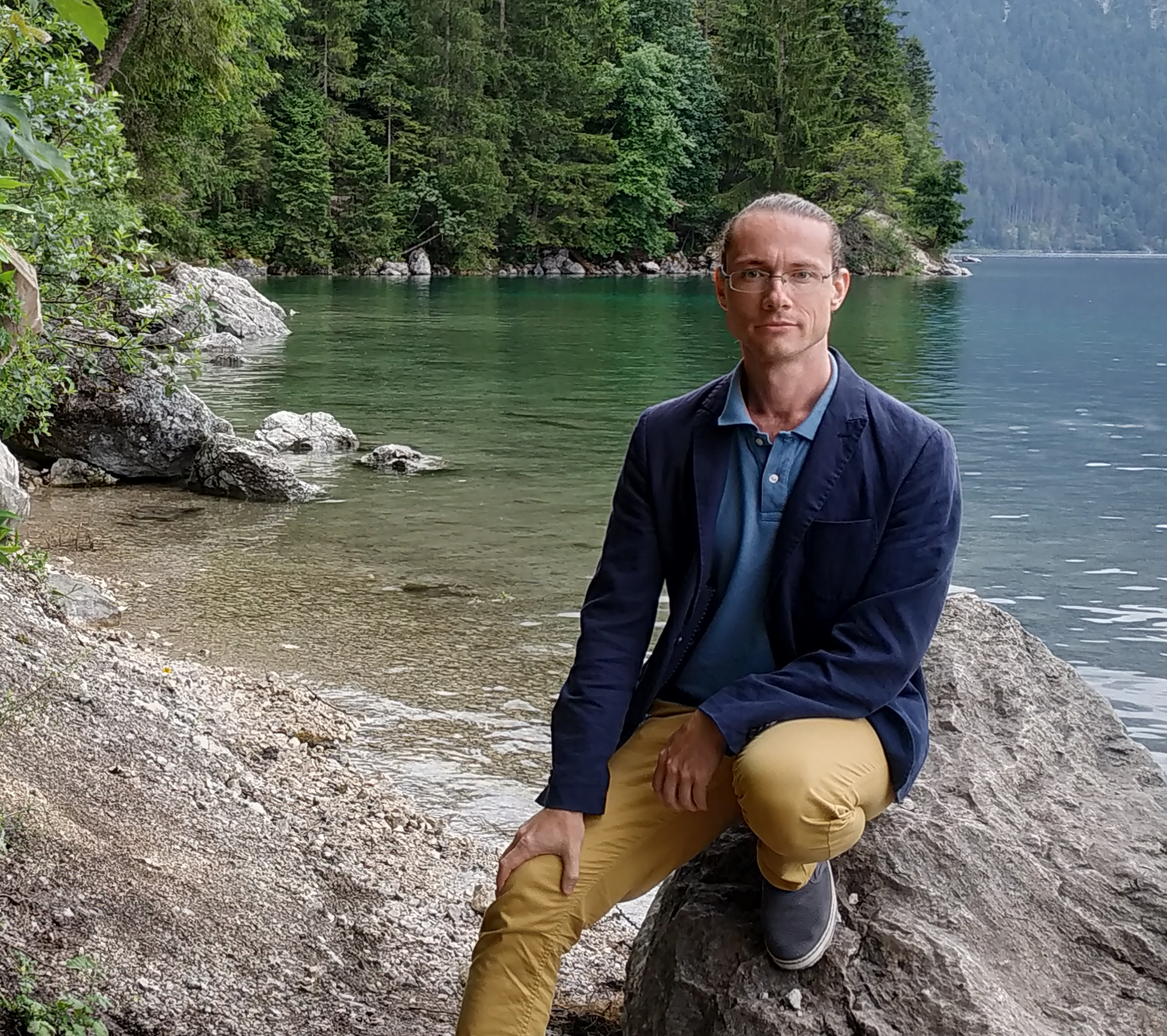
László is an Assistant Professor at the Department of Plant Biology, University of Szeged, Hungary. His research focuses on plant community ecology, biological invasions and the fine-scale spatial organization of vegetation. He uses field-based vegetation sampling, microcoenological approaches, spatial analysis and remote sensing to study how invasive alien plants alter community structure, species associations and vegetation patterns.
Davide De Battisti
University of Padova, Italy
Davide’s research aims to unravel how plant functional traits mediate the effects of environmental change on key ecosystem functions and services, such as coastal protection, nutrient cycling, and blue carbon storage, with a particular focus on coastal ecosystems, including salt marshes, seagrasses, and sand dunes. He strives to understand how traits underpin the resilience of these functions and to use this knowledge to inform restoration programs.
Billur Bektaş
ETH Zürich, Switzerland
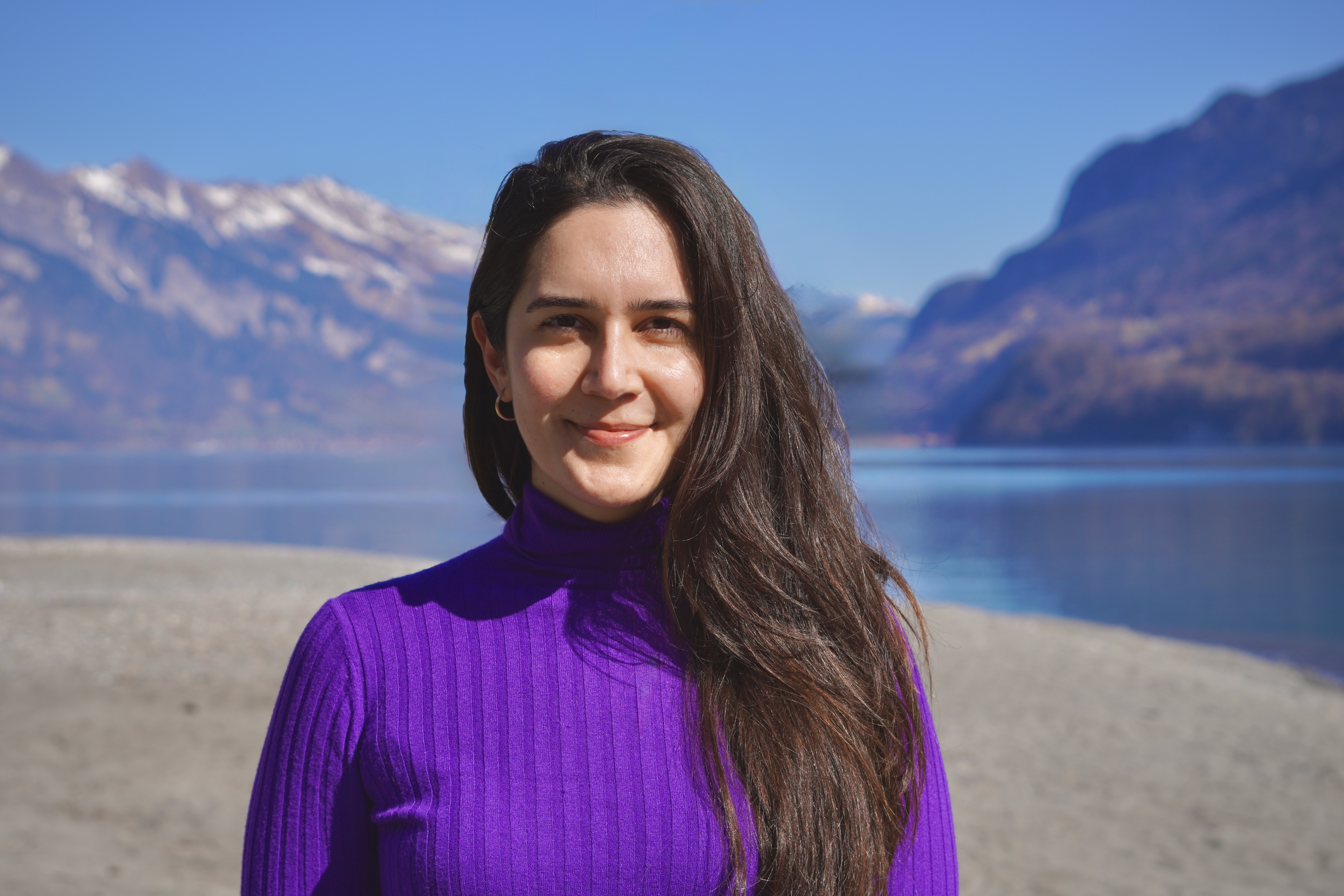
Billur is a plant ecologist interested in how climate change affects plants over time, from individuals to communities. She studies range shifts, population dynamics, trait acclimation, and community assembly along elevational gradients. Her work combines transplant experiments, herbarium specimens, macrofossil records, and statistical and process-based modeling. A central theme to her research is that ecological change often lags behind climate change, leaving populations and communities in long transient states that constrain forecasts of future biodiversity.
Shekhar Biswas
East China Normal University, China
Shekhar’s research interests lie at the intersection of plant community, functional trait, and spatial ecology, examining how environmental change shapes biodiversity and ecosystem functioning across scales. He combines experimental, observational, and statistical approaches to understand the role of spatial structure in ecological systems and test ecological ideas in real-world settings. In addition to terrestrial forests, he has a particular interest in coastal mangroves. He aims to understand ecological principles and support conservation, restoration, and ecosystem management.

Joshua Brian
King’s College London, UK
Josh is broadly interested in community ecology, parasitology and invasion ecology. His current research focuses on establishing mechanistic evidence for key hypotheses in plant invasions (especially those concerning interactions with consumers), using temperate grasslands as a model system. He has previously investigated the community ecology of both mutualists and parasites, and consequences for ecosystem function, in both marine and freshwater contexts.

Lucie Büchi
Natural Resources Institute, University of Greenwich, UK
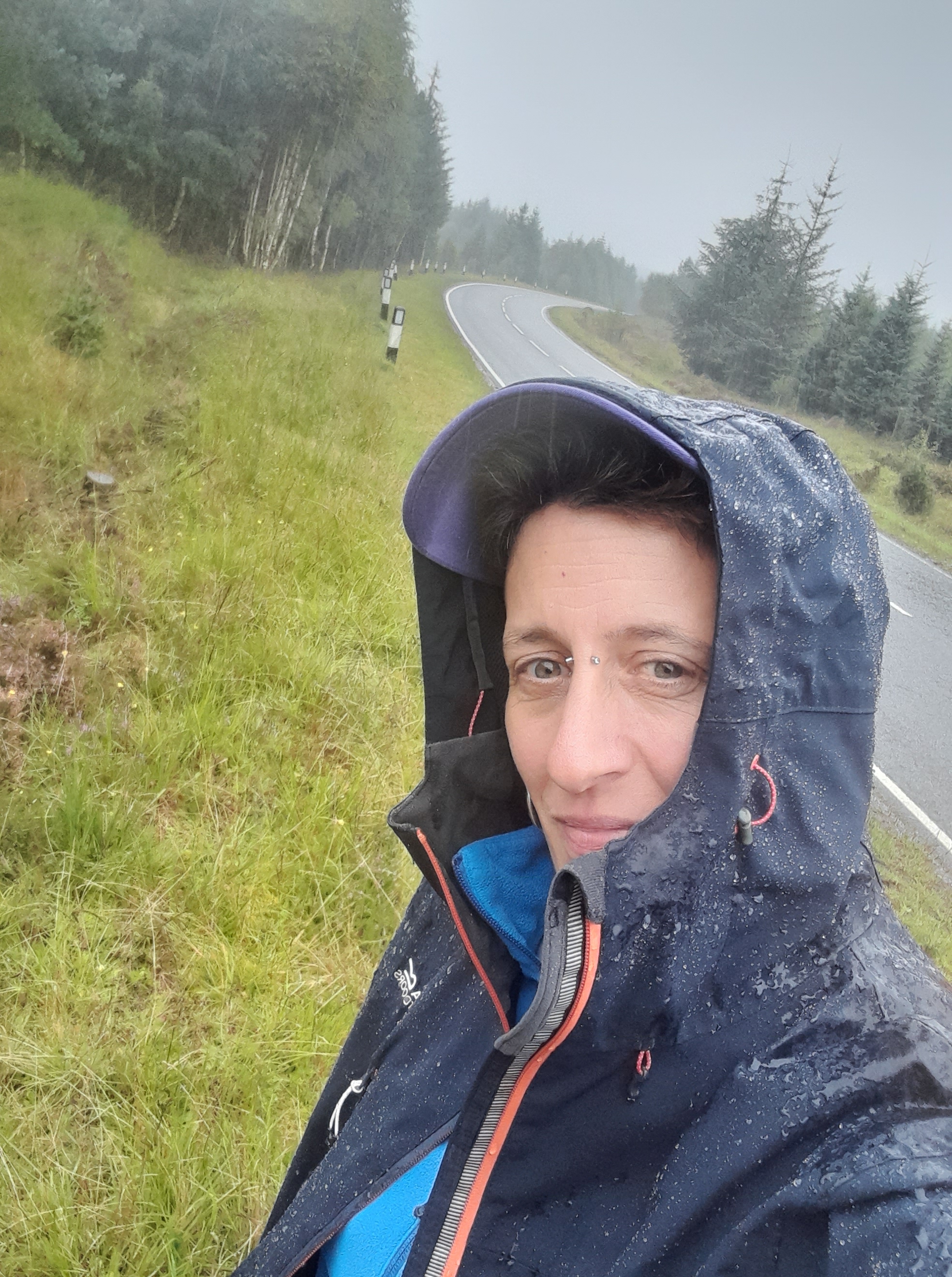
Lucie is a crop and weed ecologist, with a particular interest in studying plant ecological processes and interactions in the context of agriculture. After a MSc in population genetics, she did a PhD in metacommunity ecology and modelling before moving to applying ecology concepts to agriculture. She is particularly interested in understanding how anthropogenic contexts and interventions affect ecological processes and outcomes.
Mariasole Calbi
National Taiwan University, Taiwan
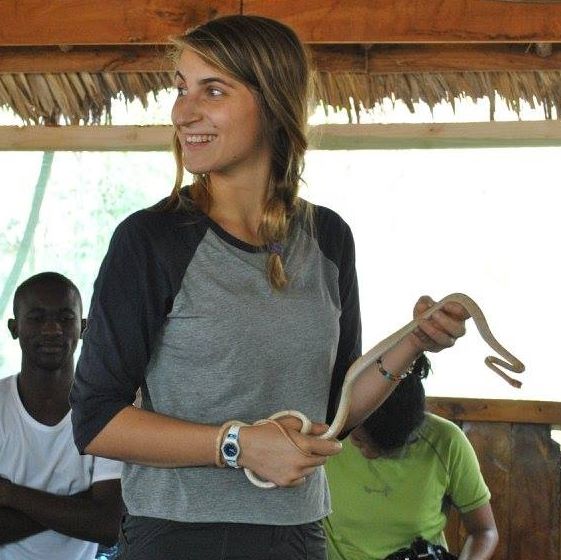
Sole is a plant ecologist from Italy who has conducted research across Europe, South America, and Taiwan. Their work focuses on developing meaningful ways to assess anthropogenic impacts on the diversity and structure of plant communities. They have a particular interest in functional and community ecology, often integrating remote sensing tools with big biodiversity data analyses.
Dima Chen
Inner Mongolia University, China
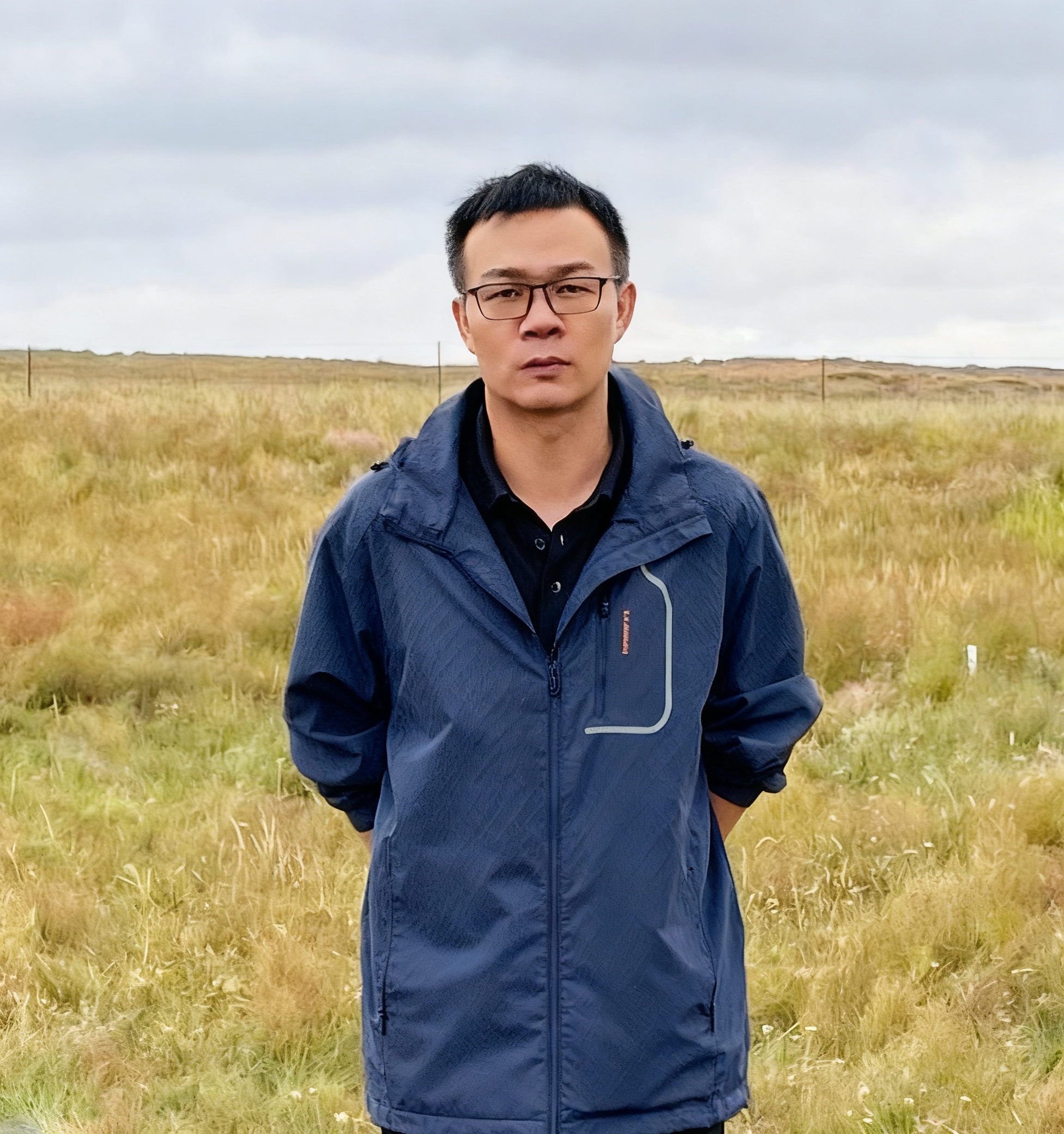
Dima is a grassland and soil ecologist whose research focuses on the structure and functioning of soil food webs under global change. He is particularly interested in how soil biota and plant communities jointly regulate ecosystem multifunctionality, stability, and carbon and nitrogen cycling in grasslands. His work combines field experiments, long-term observations, regional-scale surveys and data synthesis to explore the ecological mechanisms by which global change drivers affect above- and below-ground biodiversity and ecosystem functioning.
Nick Cutler
Newcastle University, UK
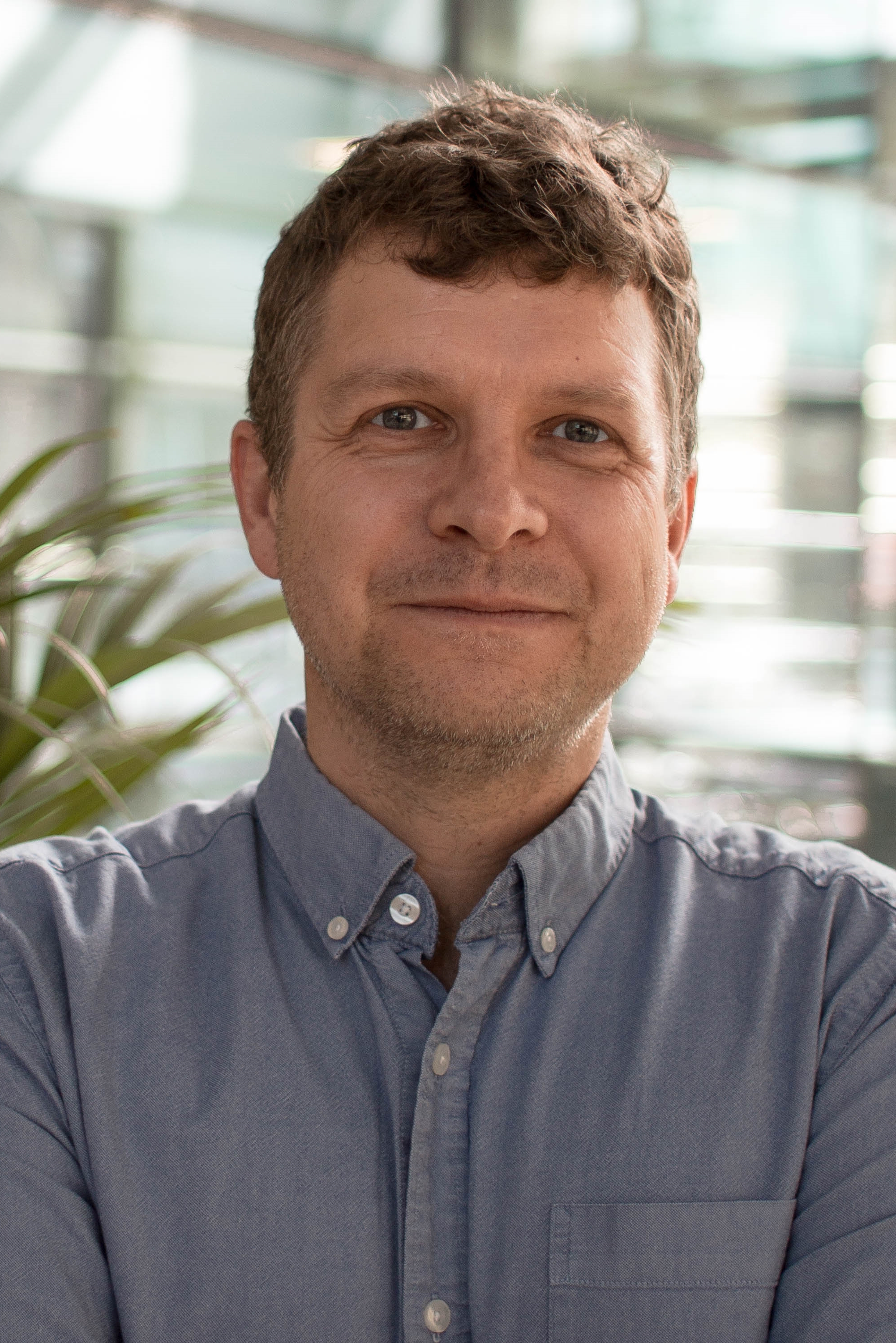
Nick is a biogeographer interested in long-term (decades-centuries) ecological change, particularly in soil and plant communities. His work in this field has encompassed primary succession in plant and microbial communities on substrates ranging from from lava flows to stone buildings. He is also interested in the ecological impacts of ash deposits produced during volcanic eruptions.
Rebecca Dalton
USA
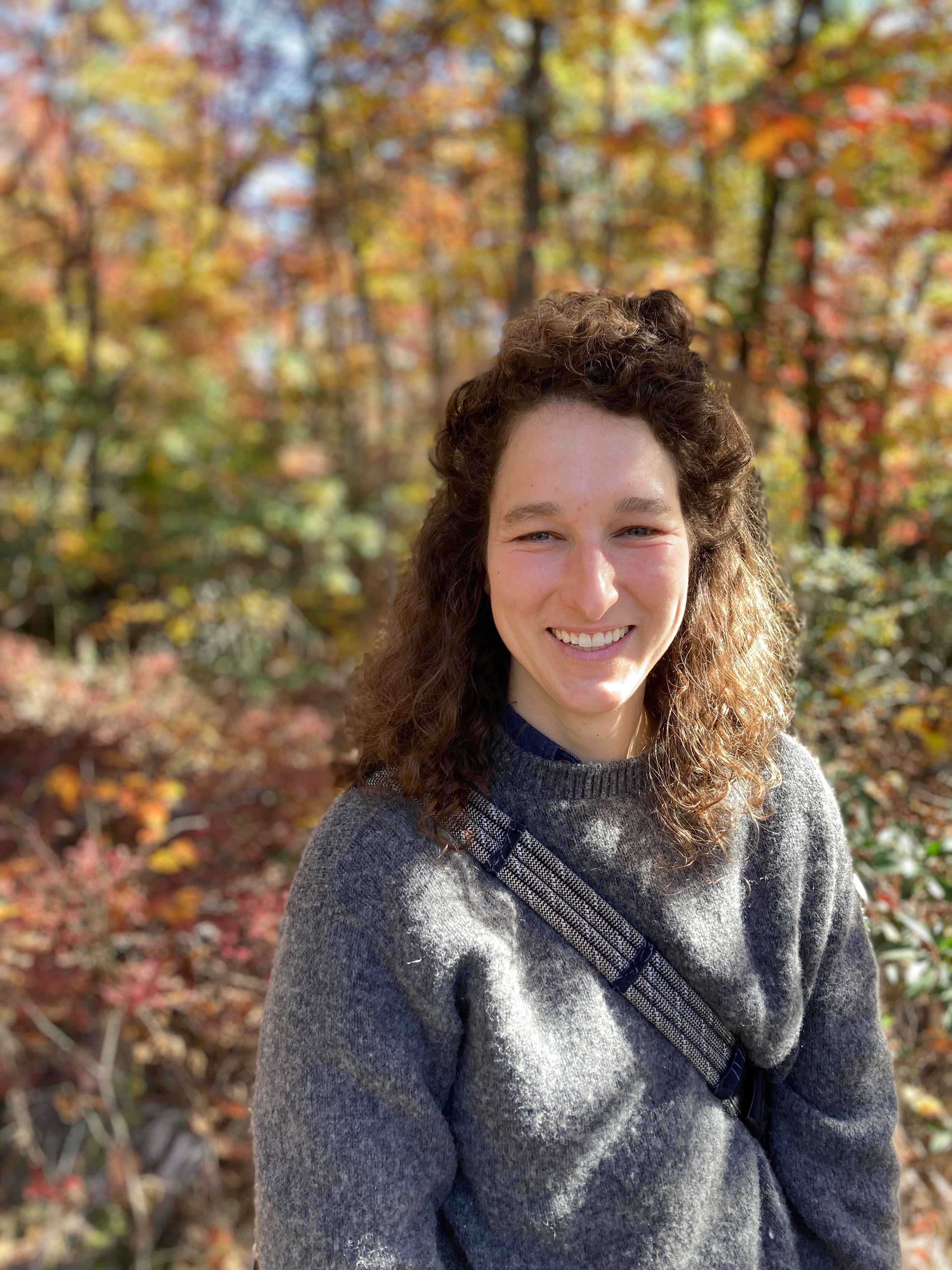
Rebecca Dalton is interested in how climate and air pollution affect terrestrial and aquatic ecosystems. She has expertise in conducting scientific assessments, meta-analyses, and synthesizing large datasets. She works as an ecologist at the U.S. Environmental Protection Agency.
Michal Gruntman
Tel Aviv University, Israel
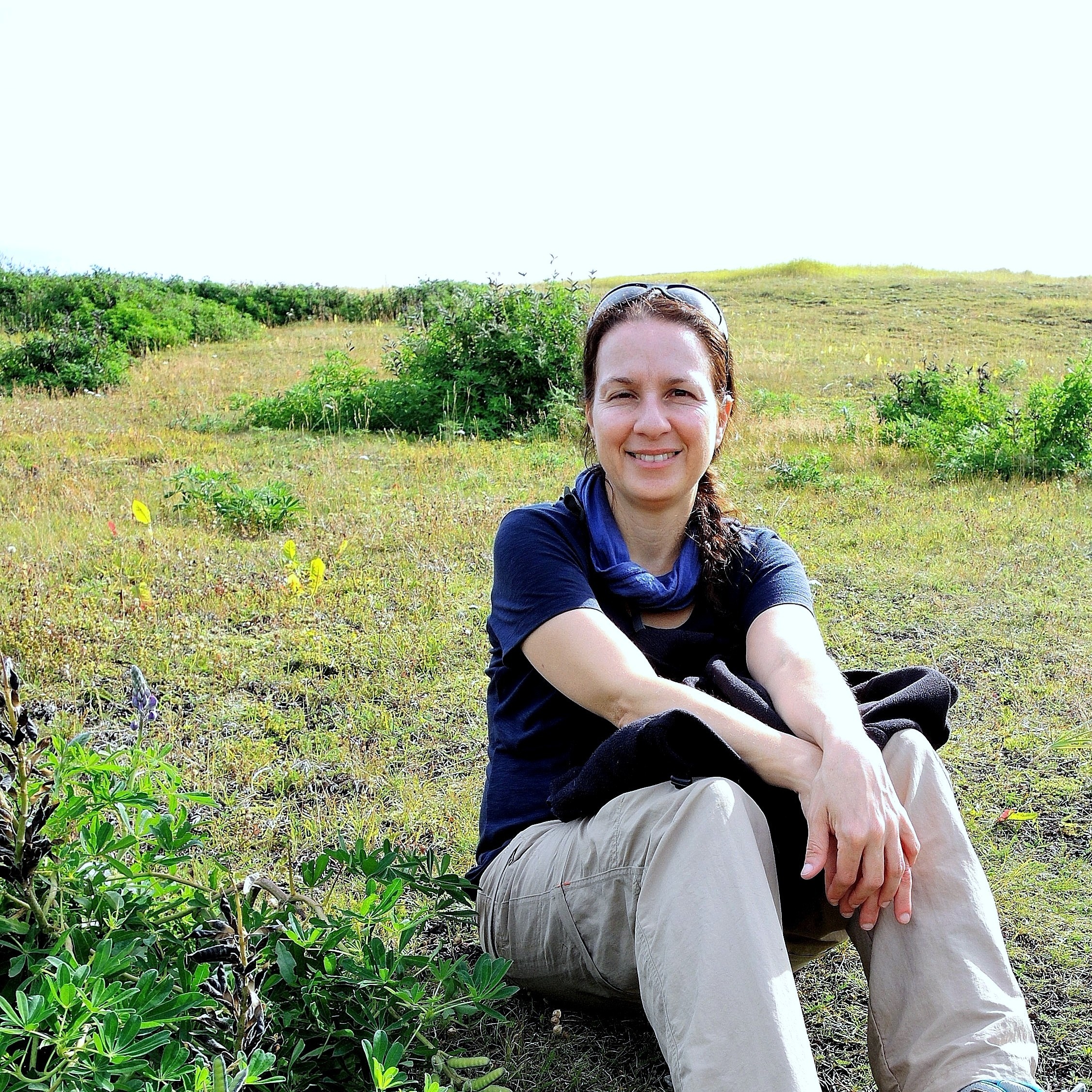
Michal is a plant ecologist who studies the way plants plastically respond and adapt to environmental pressures across ecological and evolutionary timescales. Her research focuses on plant responses to competition above and below ground, trait variation along invasion gradients, and plant adaptations and responses to soil pollutants.
Khushboo Gurung
University of Leeds, UK
Khushbu explores the impact of vegetation on biogeochemcial cycles via modelling. Currently she works on climate throughout the Phanerozoic and how the evolution of plants can lead to fluctuations within the carbon cycle. Her interests lie in Earth’s biota and how it functions as a whole organism. Moving forward (or backwards), her focus will shift into the impact of oxygenic photosynthesis and microbial mats over time.

Mengguang Han
Northeast Forestry University, China
The main focus of Mengguang’s research is on forest ecology, with particular emphasis on root ecology and rhizosphere biogeochemical cycling. He is especially interested in elucidating how belowground processes regulate whole ecosystem functions. His research also explores the patterns and implications of plant functional traits (especially in physiology and biology) across multiple ecological scales, investigating their critical role in linking plant strategies with broader ecosystem functions.
Robert Heckman
USDA Forest Service, Rocky Mountain Research Station, USA
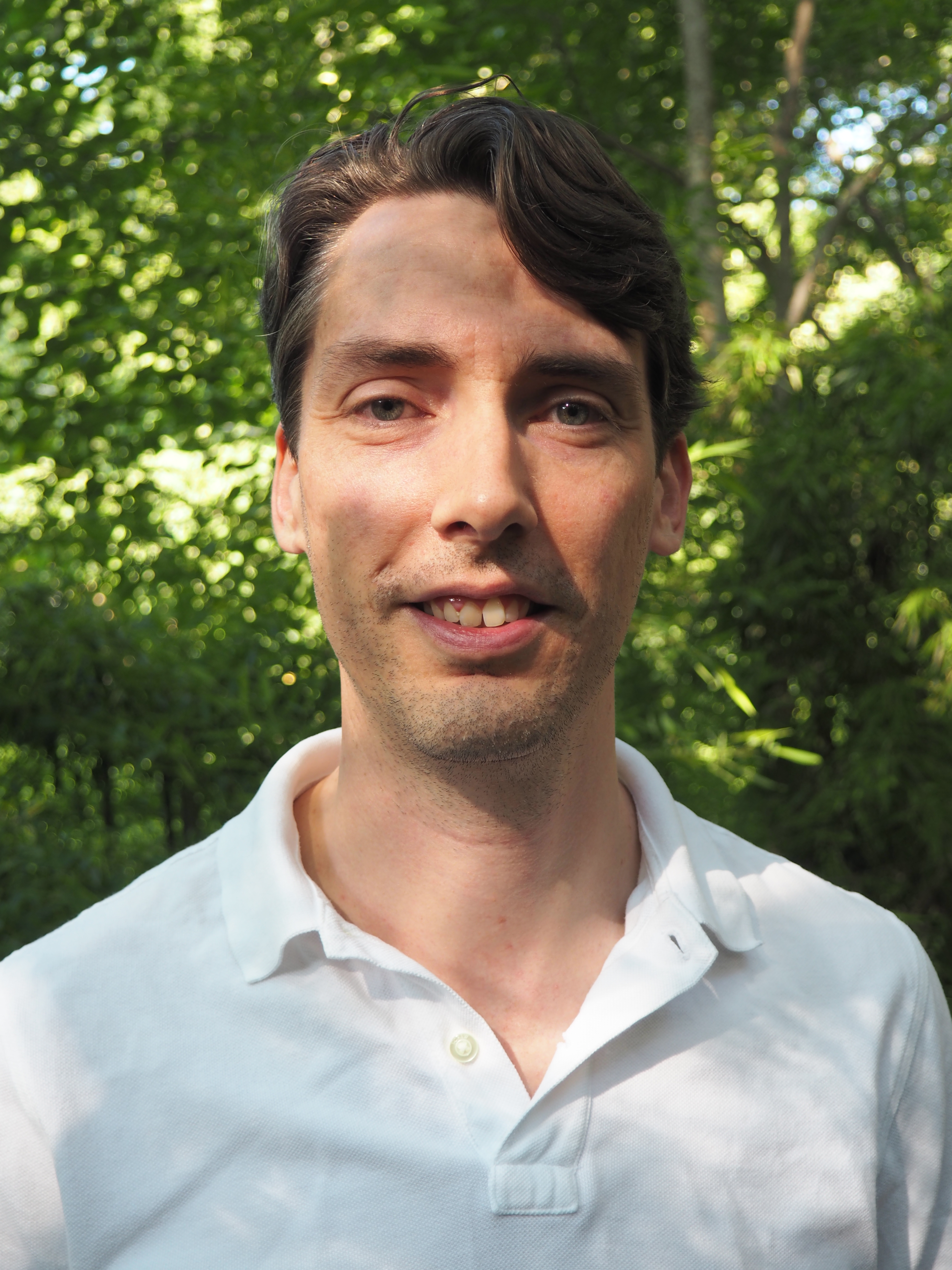
Robert is a broadly trained plant ecologist who studies processes ranging from the molecular and physiological scales to populations and communities. His research focuses on the eco-evolutionary dynamics of plant functional strategies as well as plant responses to global change, especially to invasive species and drought. His research often incorporates genetic/genomic approaches to address these questions. He’s also interested in the impacts of plant–consumer interactions on plant populations and communities.
Justus Hennecke
Wageningen University & Research, Netherlands
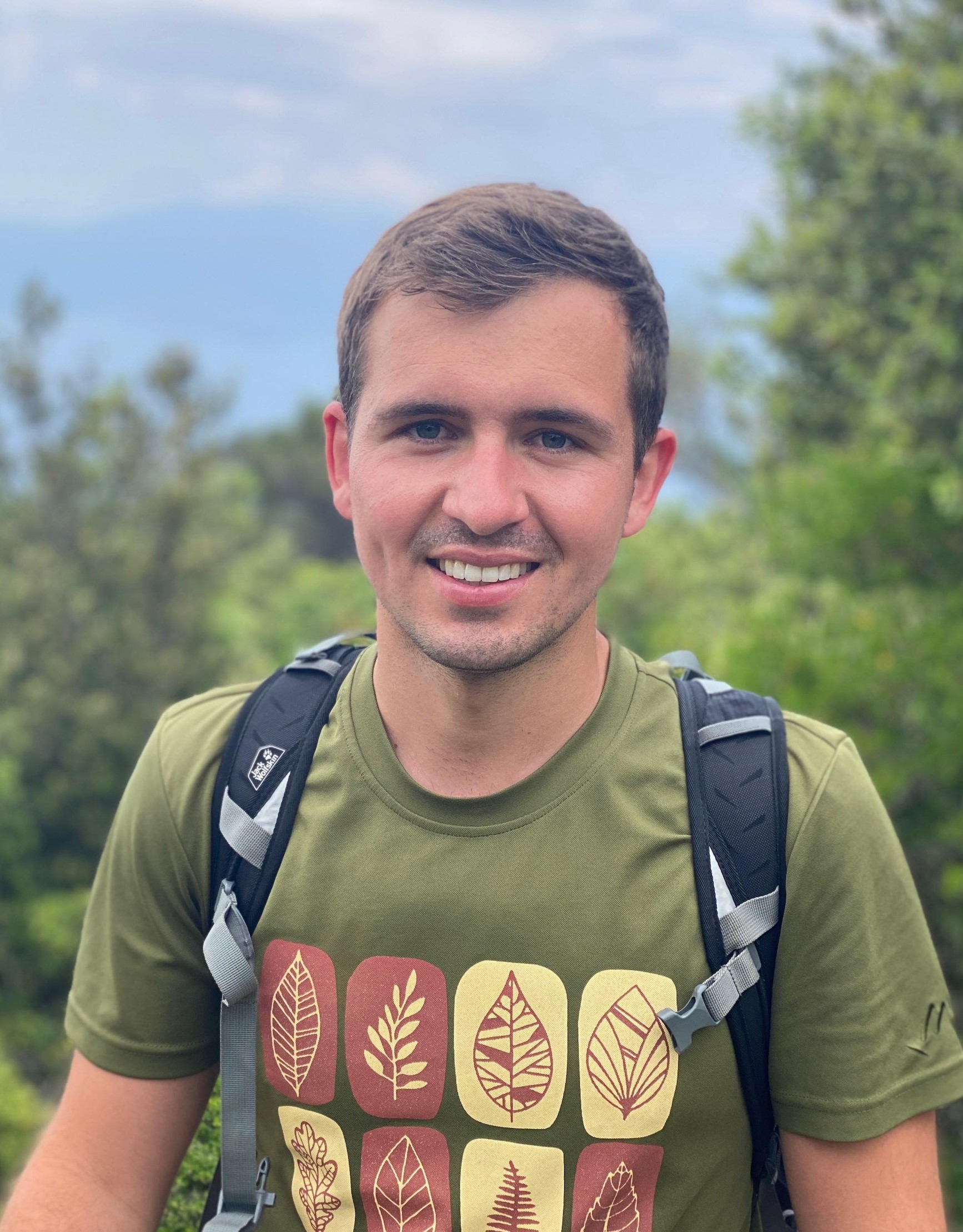
Justus is a plant ecologist working at the interface of community ecology, soil microbial ecology and plant functional ecology. His research explores plant–soil interactions, with a particular interest in how plant functional diversity and root traits shape soil and root fungal communities, including mutualists and plant pathogens, and the feedbacks this generates for plant communities and ecosystem functioning. To address these questions, Justus combines field and greenhouse samplings with trait-based and molecular approaches across scales, from individual plants to whole communities.
Carlos Hernández-Castellano
Czech University of Life Sciences Prague (CZU), Czech Republic
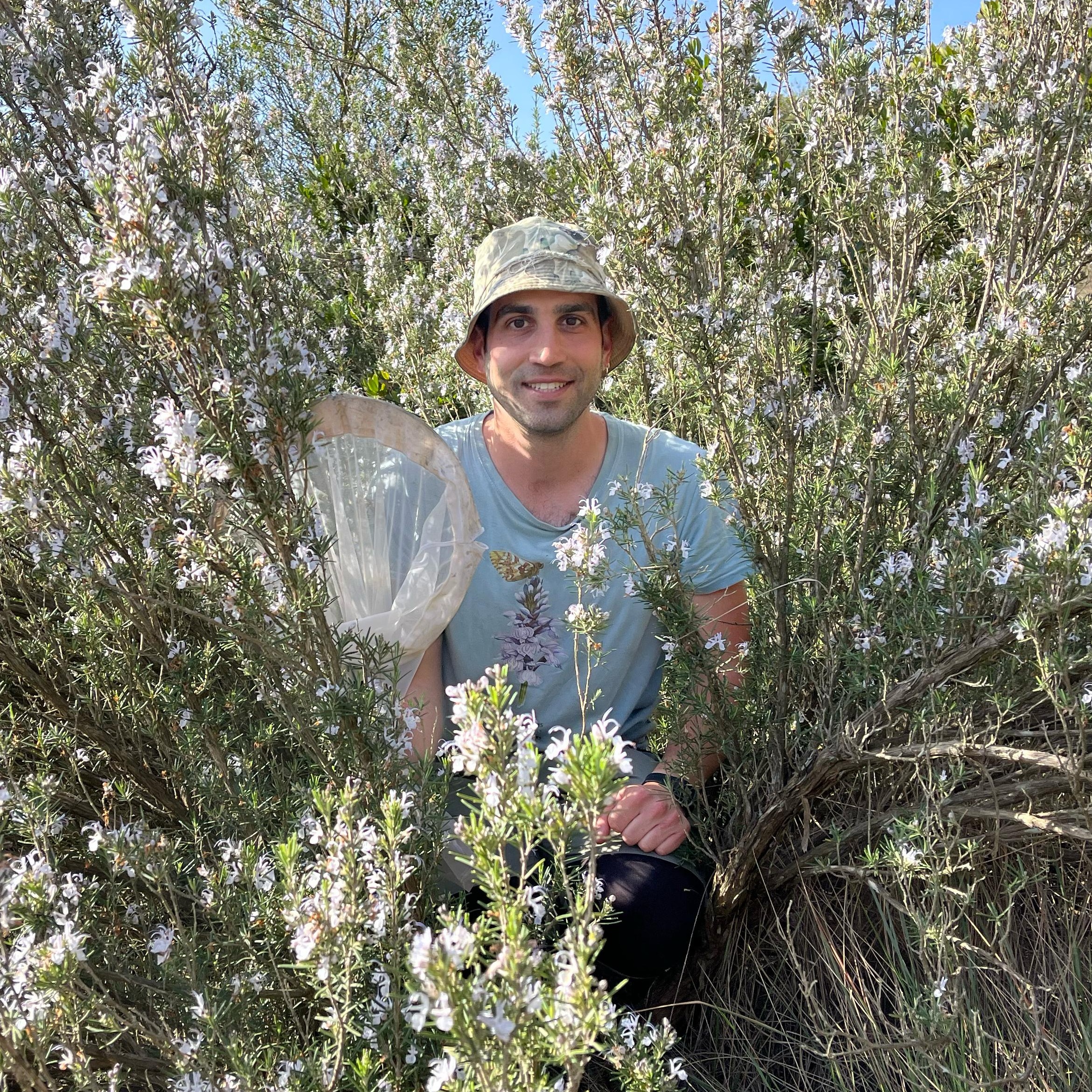
Carlos Hernández-Castellano is a pollinator ecologist interested in the ecology of plant-pollinator systems. He studies interactions between species and ecological networks to understand community assembly and pollination function. With a broad ecological perspective and a classical natural history approach, he addresses multiple topics related to bee ecology, ranging from fundamental aspects such as diversity patterns in multiple ecosystems, biogeography, and ecological disturbances, to more applied areas such as urban ecology, biological invasions, and animal health.
Xin Jing
Lanzhou University, China
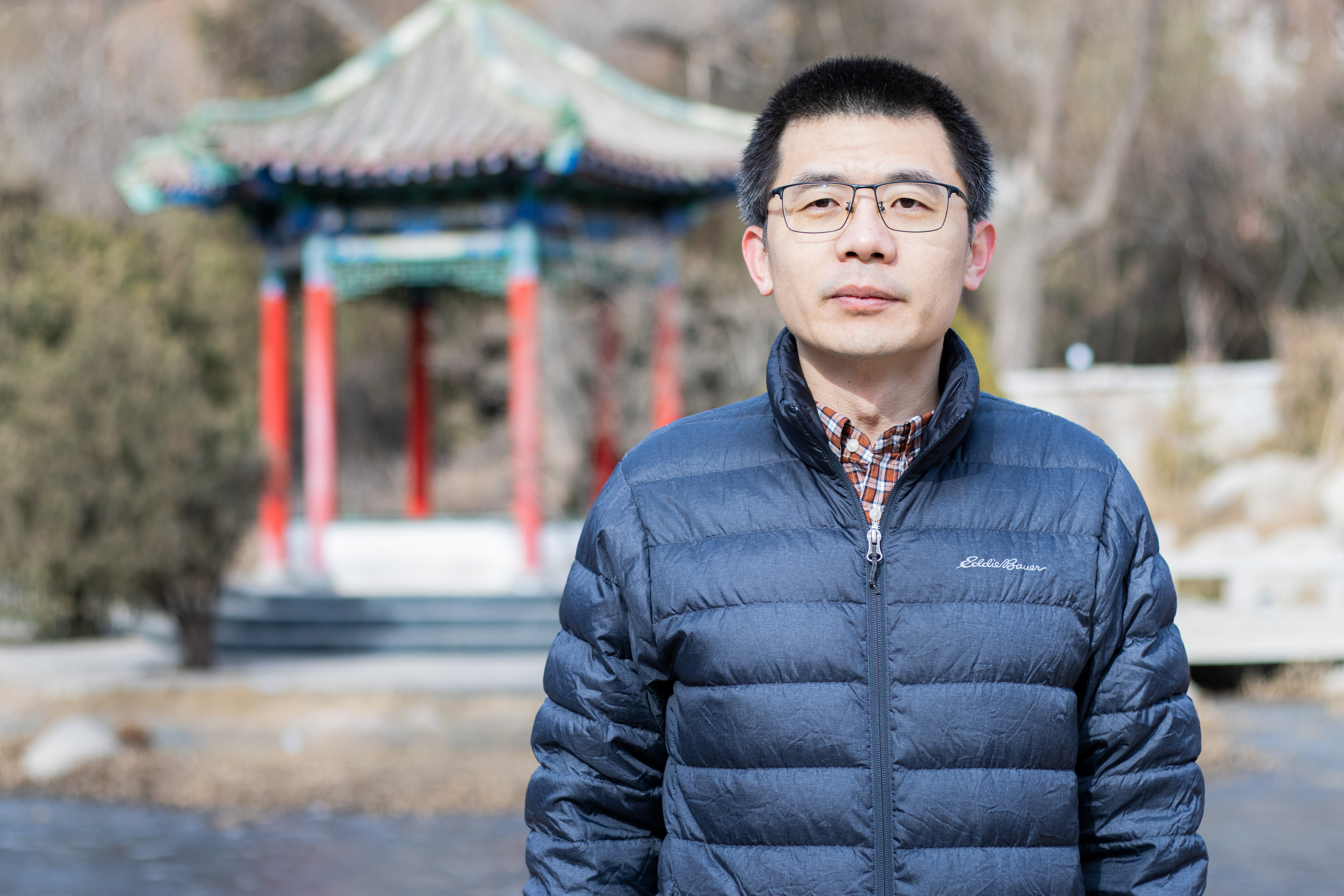
Xin is a community and ecosystem ecologist specializing in aboveground-belowground linkages and biodiversity-ecosystem multifunctionality. His research integrates field experiments and data synthesis—primarily in alpine grasslands—to investigate how plant and microbial communities respond to climate change, nutrient deposition, and land-use change. He focuses on the mechanisms through which these ecological responses alter ecosystem stability and the provision of multiple functions and services across spatial scales.
Insu Jo
Purdue University, US
Insu’s research infocuses on plant functional strategies and their influence on ecosystem processes in forest ecosystems. He is particularly interested in the impacts of global change drivers, including climate change and biological invasions, on biodiversity and ecosystem dynamics. By integrating trait-based approaches with community and ecosystem ecology, his research seeks to uncover the mechanisms underlying community assembly and their consequences for ecosystem resilience and function.

Deliang Kong
College of Forestry, Henan Agricultural University, China
Kong’s focus on the interaction between plant roots and mycorrhizal fungi within and among plant species. He is also interested in wide area of ecology including seed ecology, invasive ecology, global change ecology, plant-animal interaction, biodiversity and ecosystem functioning. Currently, he is working on plant and microbial ecology at nighttime.
Nathan Kraft
University of California Los Angeles (UCLA), US
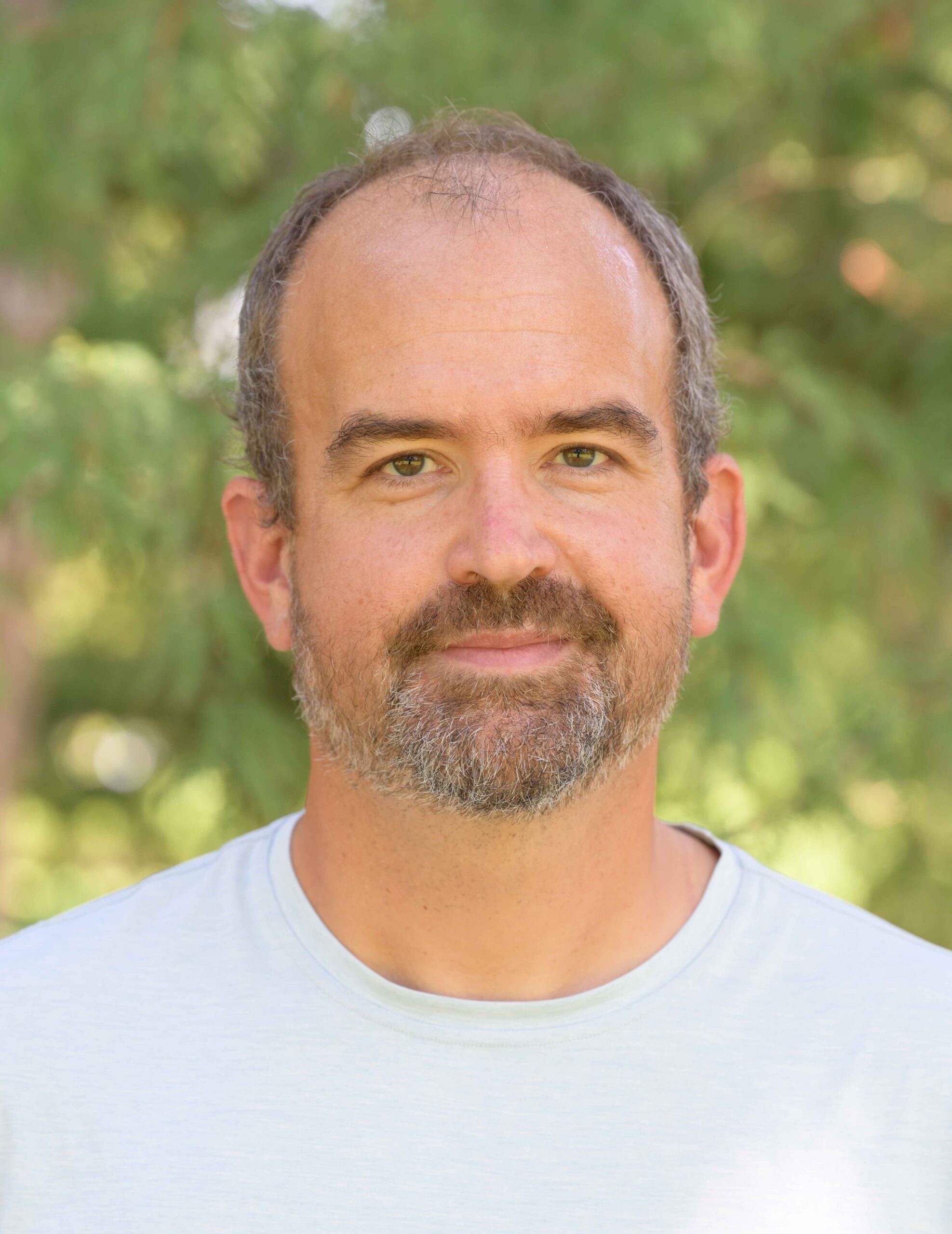
Nathan is a plant community ecologist interested in species coexistence, community assembly, and community responses to global change. He is particularly interested in approaches to community ecology that insights from functional trait-based perspectives, as they can deepen our understanding of mechanism and increase our predictive power. His lab often conducts empirical projects in hyperdiverse neotropical forests or in experimentally tractable annual grassland systems in coastal California, USA.
Pawan Kumar
The University of Chicago, United States
Pawan Kumar is a Dropkin Postdoctoral Fellow at the University of Chicago, where he is working on DOE-EMSL grant focused on enhancing plant biomass through microbe interactions. He holds a PhD in Plant Biology from the National Institute of Plant Genome Research (NIPGR) in New Delhi, India, focusing on glucosinolate biology and plant defense. Dr. Kumar has expertise in multi-omics analysis and other molecular biology tools to improve the production of bioenergy fuel crops.

Qin Li
East China Normal University, China
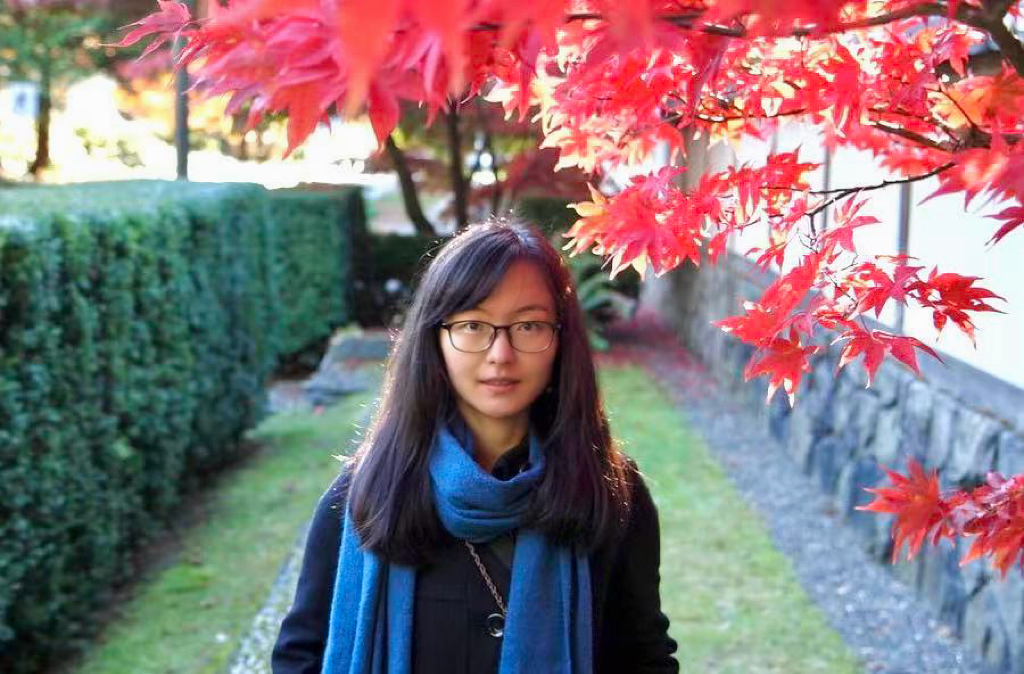
Qin’s research focuses on the processes that generate and maintain biodiversity, particularly for plant diversity in mountain systems. Working at the interface of evolutionary ecology and biogeography, she investigates how environmental heterogeneity and the evolutionary dynamics of ecological niches influence species distributions, adaptation, coexistence, and diversification across time and space. Her research integrates field studies, comparative analyses, and genomic approaches, with a primary focus on species-rich lineages in mountain biodiversity hotspots.
Ji Liu
Spanish National Research Council, Centre for Ecological Research and Forestry Applications
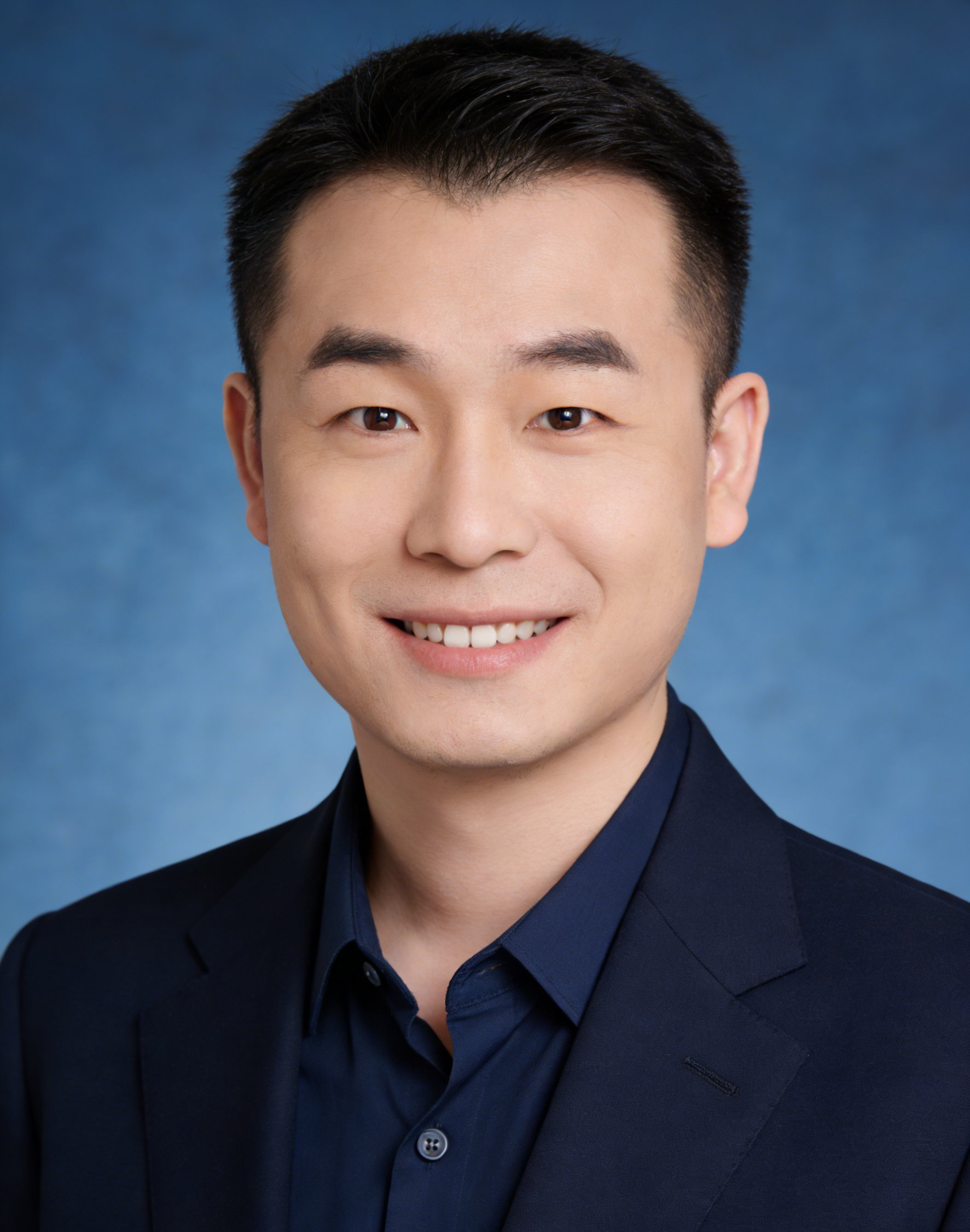
Ji’s research focuses on ecological stoichiometry and the coupled biogeochemical cycles of carbon, nitrogen, and phosphorus. Ji aims to uncover the underlying principles governing stoichiometric balance and explore how these dynamics influence ecosystem resilience, nutrient-use efficiency, and long-term sustainability in the face of global environmental change.
Shangshi Liu
Yale University, USA
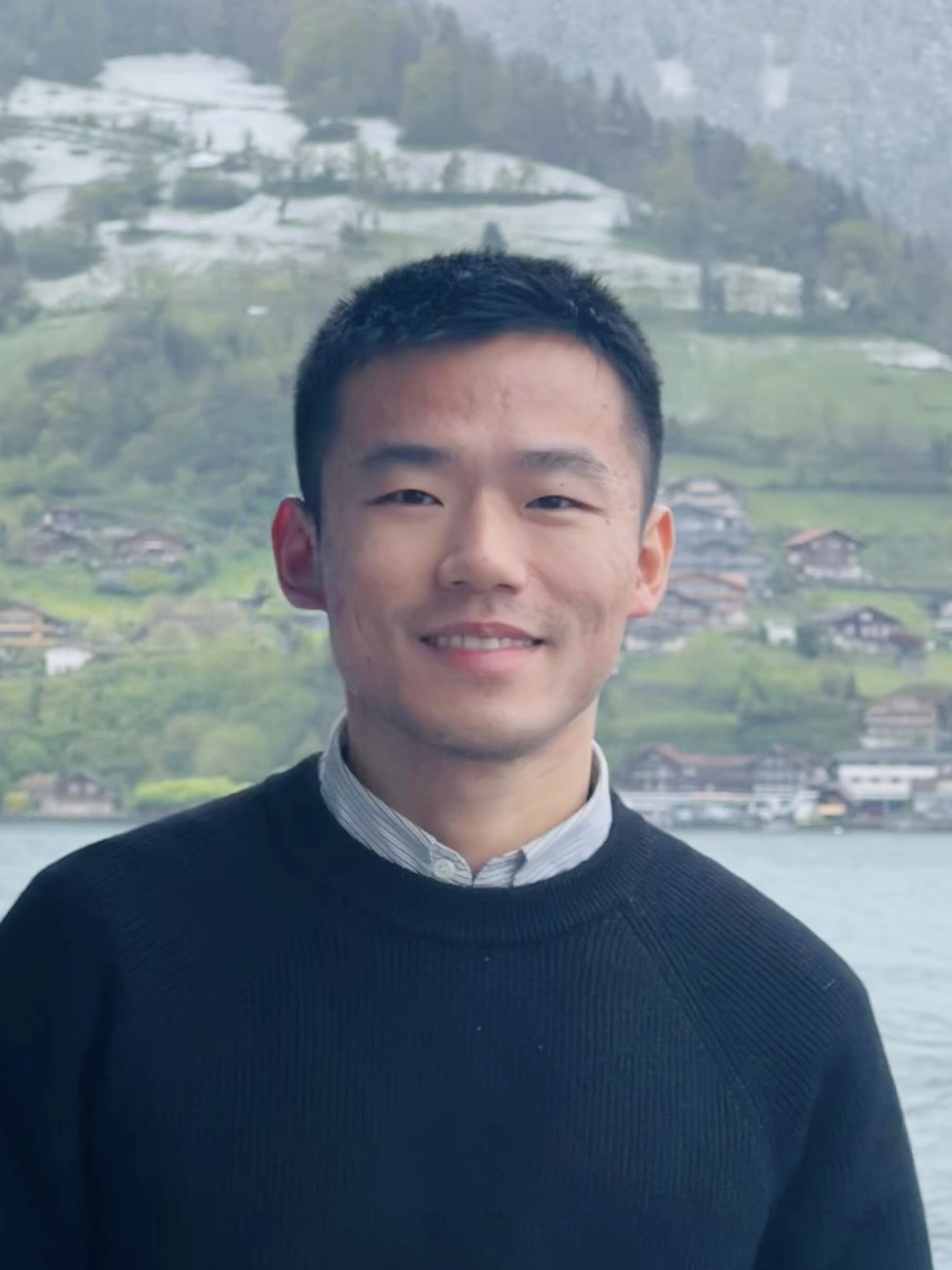
Shangshi is a soil and ecosystem ecologist focusing on the structure and functioning of terrestrial ecosystems, especially in grasslands and forests. He investigates how interactions between plants, animals, soil, and microbes regulate carbon cycling under both natural and anthropogenic disturbances. Shangshi also applies this mechanistic understanding to develop solutions that restore ecosystems and mitigate climate change, with a particular interest in soil-based approaches.
Shengman Lyu
University of Lausanne, Switzerland
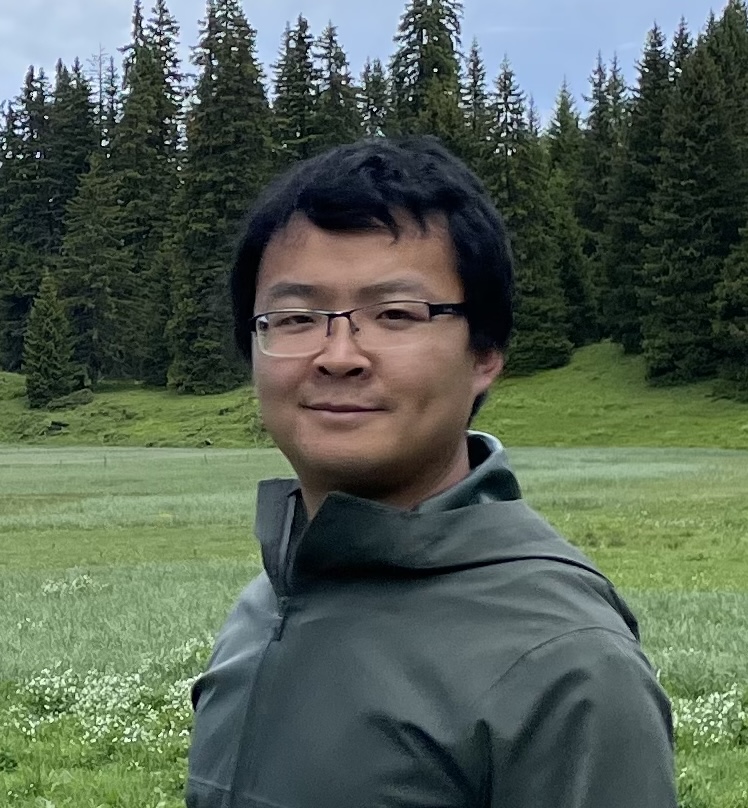
Shengman studies the ecological and evolutionary processes underlying plant distributions across broad scales and the maintenance of diversity in plant communities, and their responses to environmental change. He uses observational and experimental field studies and data-driven demographic modelling.
Miaojun Ma
Lanzhou University, China
Miaojun is broadly interested in seed, plant community, and ecosystem ecology in the alpine grassland ecosystem on the Tibetan Plateau. He combines observational, experimental, and statistical approaches to explore the effects of biotic and abiotic environments on seed bank composition and structure. The role of soil seed bank and seed rain in plant community regeneration and species diversity maintenance. Response of alpine plant phenology to climate change and grazing, and its effects on community structure and ecosystem function. Alpine grassland ecosystem resilience and restoration.
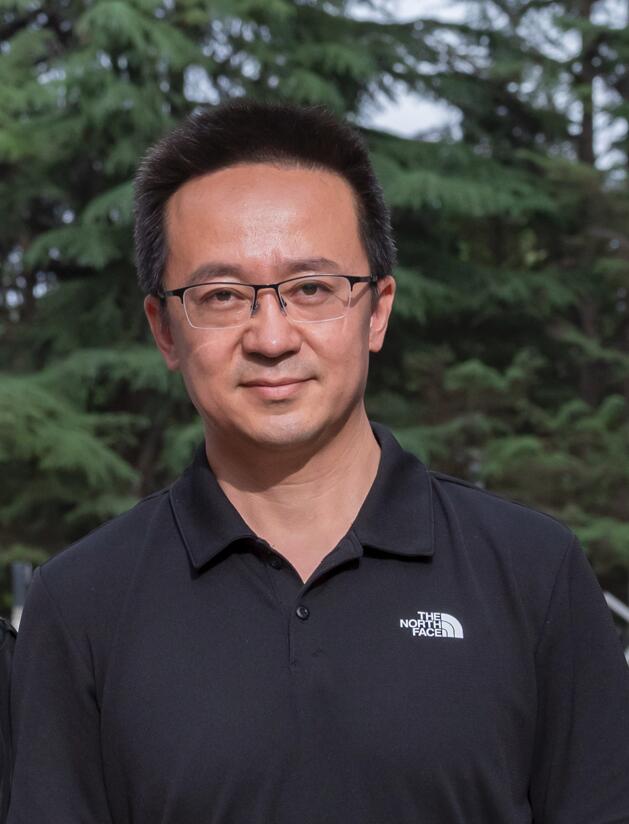
Zikun Mao
Institute of Applied Ecology, Chinese Academy of Sciences, China

Zikun is interested in the drivers of forest biodiversity and ecosystem function. In particular, he wants to know how the association between plant and fungi (especially mycorrhizal fungi) determines biodiversity maintenance and the relationship between biodiversity and ecosystem function in heterogeneous environment.
Silvia Matesanz
Universidad Rey Juan Carlos, Spain

Silvia Matesanz is an evolutionary ecologist interested in micro‐evolutionary processes that occur in plant populations and how phenotypic variation is shaped by genetic and environmental factors. Her main research line focuses on the role of phenotypic plasticity and adaptive evolution in the response of Mediterranean plants to climate change. She combines observational field studies and experimental approaches with molecular tools and quantitative genetics.
João Vitor Messeder
Virginia Tech, US
João is an evolutionary ecologist whose research integrates phylogenomics, functional ecology, and network theory to understand how plant traits evolve and shape ecological dynamics through plant–animal interactions. Specifically, João’s research is focused on the ecology and evolution of frugivory and seed dispersal interactions, bridging processes across biological scales—from the evolution of fruit traits to their ecological consequences for plant–frugivore networks and community assembly.
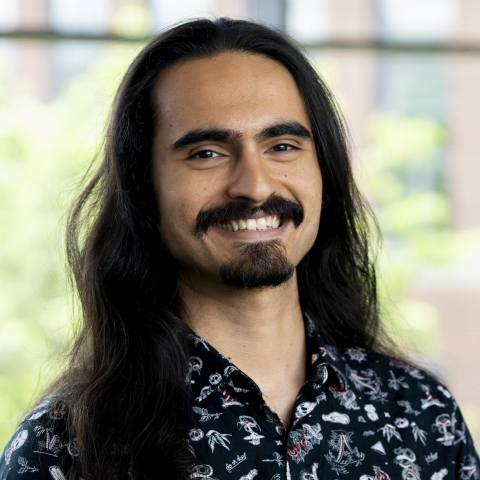
Xoaquín Moreira
Misión Biológica de Galicia (CSIC), Spain
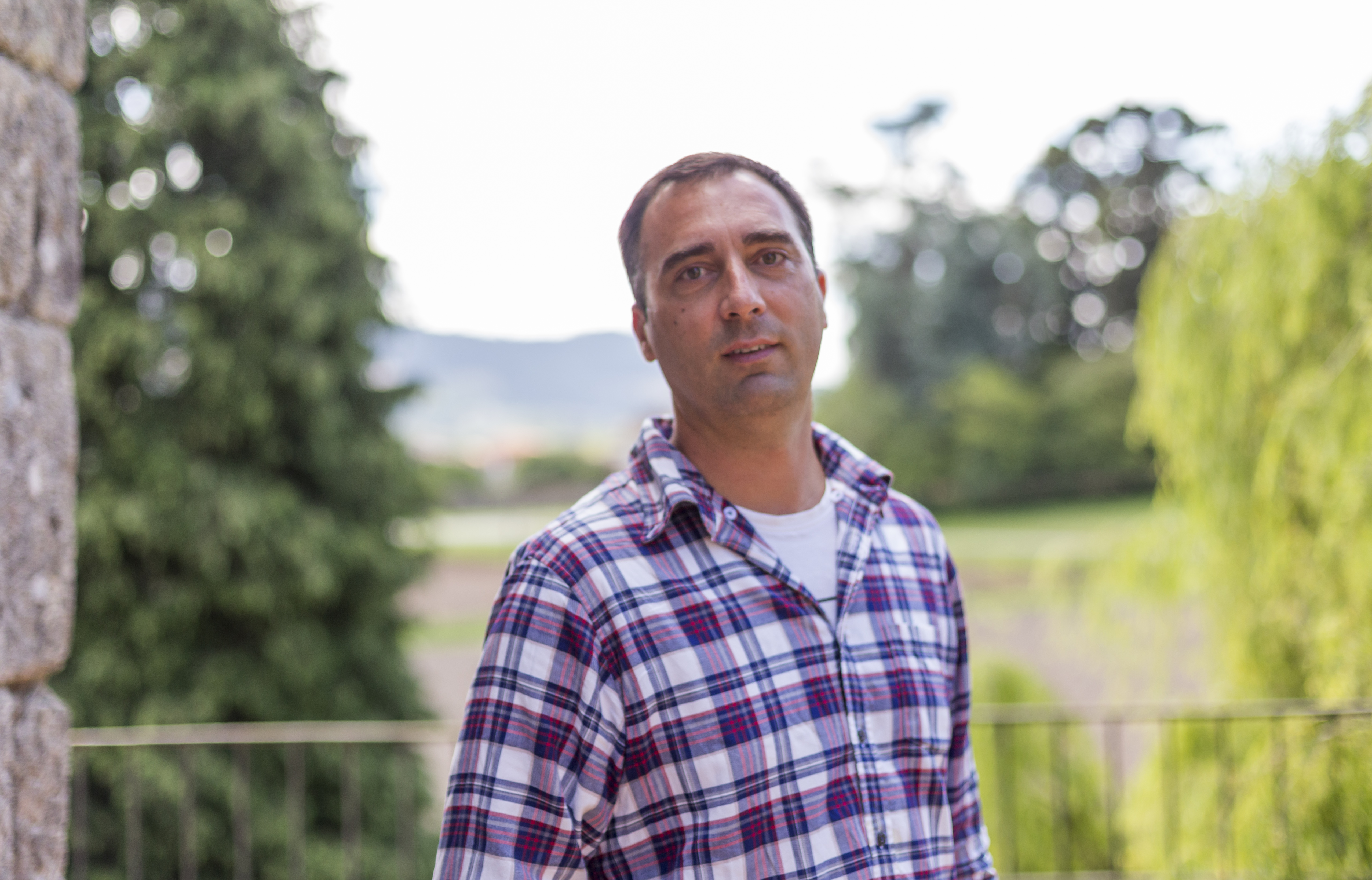
Xoaqín’s research examines how environmental and biotic factors shape plant defenses against insect herbivores across ecological gradients. By linking trait variation to trophic interactions, it improves understanding of plant–herbivore dynamics and helps predict how global change will affect species performance and ecological relationships.
Zuzana Münzbergová
Institute of Botany, Czech Academy of Science & Department of Botany, Faculty of Science, Charles University, Czechia
Zuzana is a plant population ecologist interested in drivers of plant population performance and the mechanisms allowing plants to modify their performance. Lately she is mainly focusing on plant responses to changing environmental (incl. climatic) conditions, looking at responses across the whole plant body – including roots, leaves, flowers and seeds. She is trying to understand the role of phenotypic plasticity, genetic as well as epigenetic variation and interaction of these in determining plant performance. Zuzana is also interested how changes in plant performance scale up and depend upon interactions
Ethan Newman
Rhodes University, South Africa
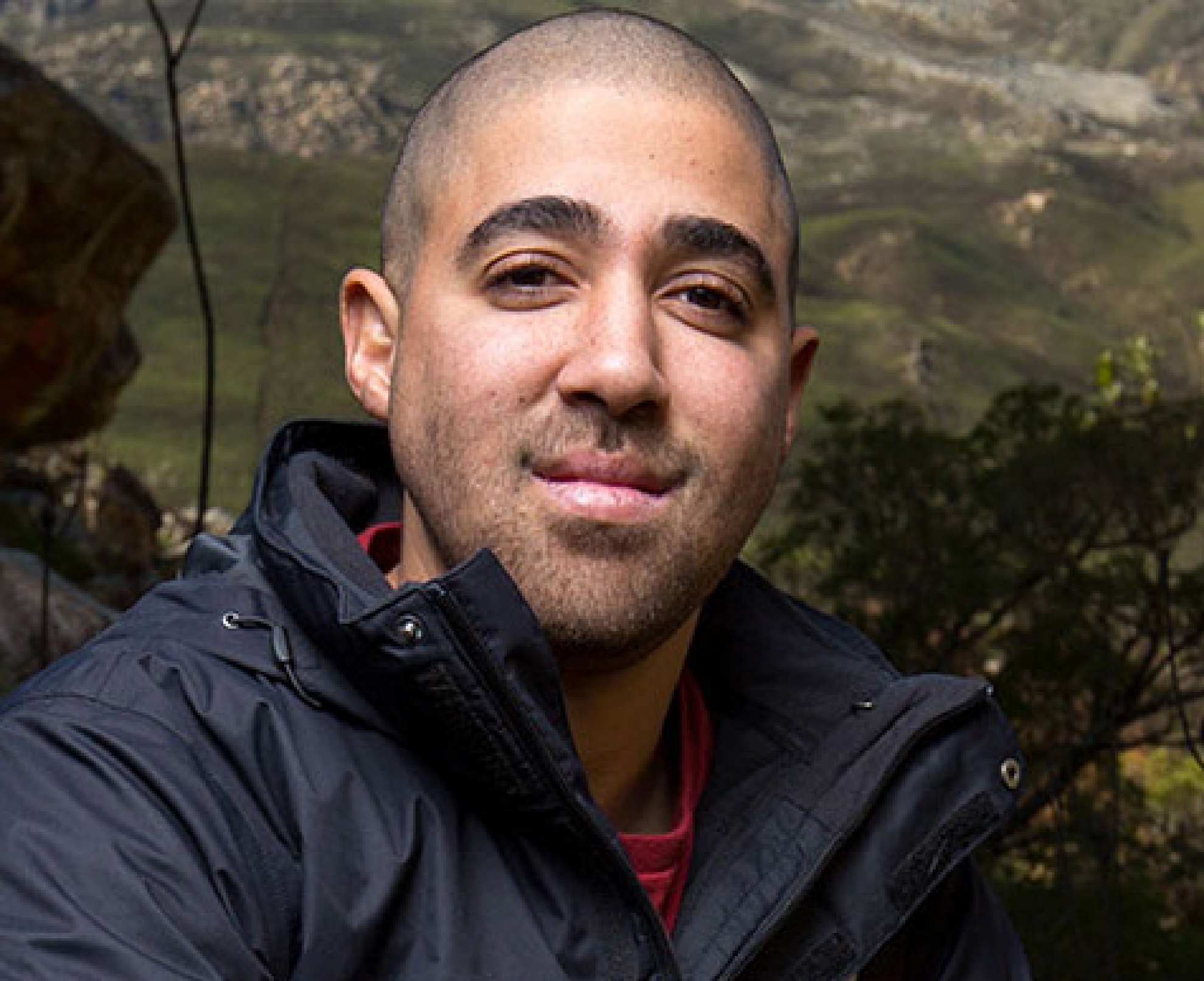
Ethan Newman is an evolutionary ecologist working primarily within South Africa’s hyper-diverse Cape Floristic Region. His research investigates the functional mechanisms of pollinator-mediated speciation among recently diverged plant taxa, as well as broader topics in pollination ecology, floral mimicry, character displacement and local adaptation.
Korina Ocampo Zuleta
Universidad de Concepción, Chile

Korina is a fire ecologist interested in the role of plant functional traits in adaptation to wildfires, using biological invasions as a model system. Korina’s research focuses on post-fire germination and plant flammability in native and exotic species from the Mediterranean region, and on the response of high-Andean ecosystems to fire.
Speranza Claudia Panico
University of Udine, Italy
Speranza is a soil ecologist and ecotoxicologist who is dedicated to studying how natural ecosystems function under different anthropogenic pressures. This involves assessing the potential of spontaneous rewilding processes to mitigate and adapt to climate change, and analysing the relationship between these processes and microbial biodiversity dynamics at taxonomic and functional levels. A key focus of her research is the community ecology of soil microbes, including bacteria and fungi, and how their taxonomic and functional diversity is affected by changes in soil organic matter.
Jairo Patiño
Instituto de Productos Naturales y Agrobiología, Spanish National Research Council (IPNA-CSIC), Spain
Jairo is a senior researcher at the Spanish National Research Council (CSIC) whose work explores biodiversity patterns and community assembly across spatial and temporal scales. As an island biologist, he investigates the natural and human-driven processes shaping plant biodiversity, with particular emphasis on their ecological and evolutionary responses to global change. His research integrates phylogenomics, population genetics, functional traits, spatial ecology, macroecology, and systematics to advance understanding of biodiversity dynamics and the conservation of insular systems worldwide
Caterina Penone
CNRS, Université Grenoble Alpes, France
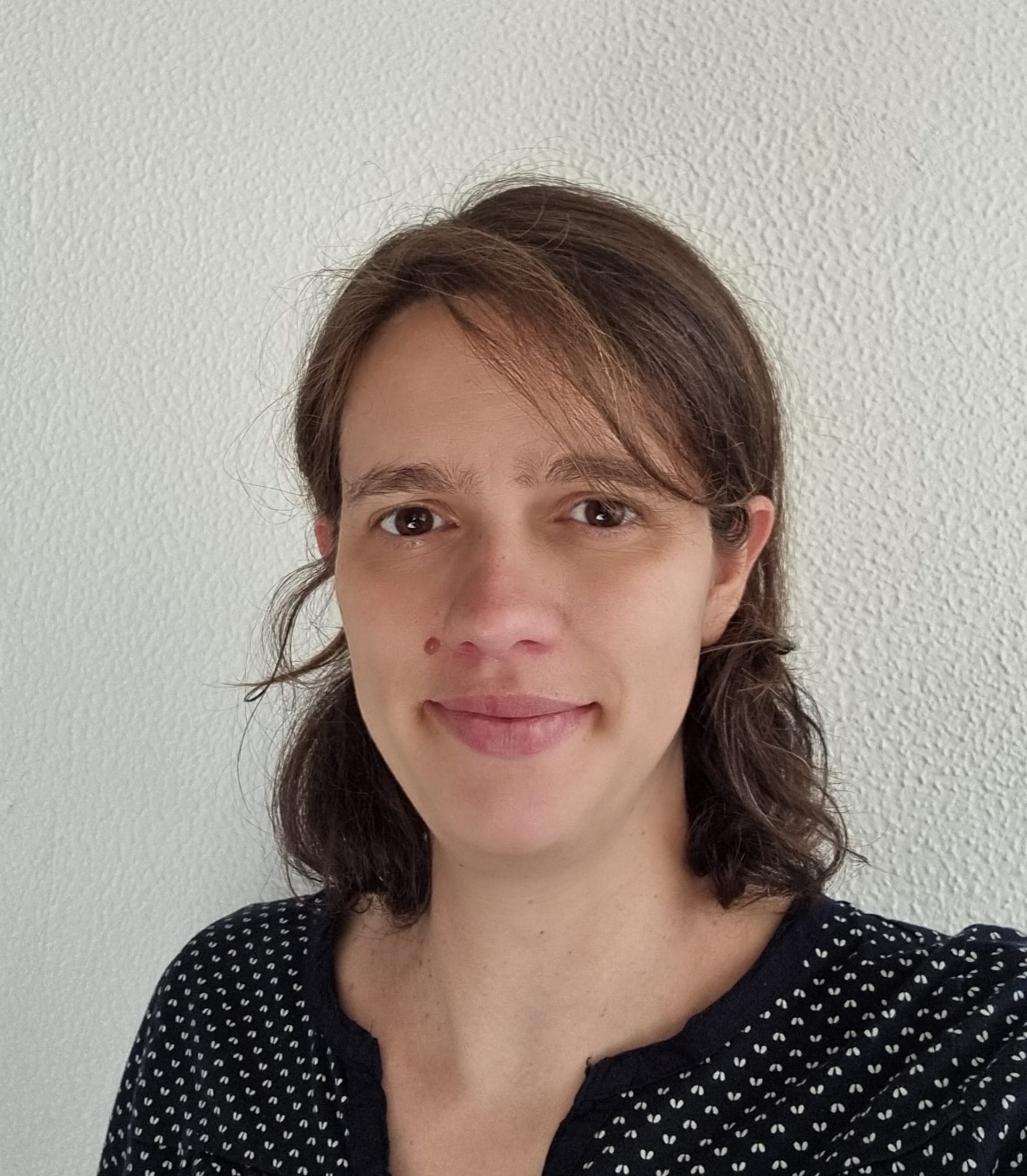
Caterina has broad expertise in ecology, including macroecology and landscape ecology, with a primary emphasis on community ecology. She investigates community assembly across spatial and temporal scales, focusing on how global change and interactions among functional groups shape assembly processes. She also contributes to large collaborative synthesis efforts that combine long-term and large-scale datasets to assess how global change affects biodiversity and how both jointly shape ecosystem functioning, with a particular focus on species traits and beta-diversity.
Noémie Pichon
Swiss Federal Reasearch Institute, WSL, Switzerland
Noémie is a community ecologist working on biodiversity changes and their effect on ecosystem functioning. She studies the effects of changes in land use, nutrient cycling, plant-consumer interactions, using experimental setups and large observational datasets. Her work focuses primarily on grasslands but extends to other habitats including protected raised bogs and mires.
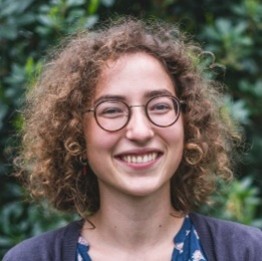
Man Qi
University of Oxford, UK
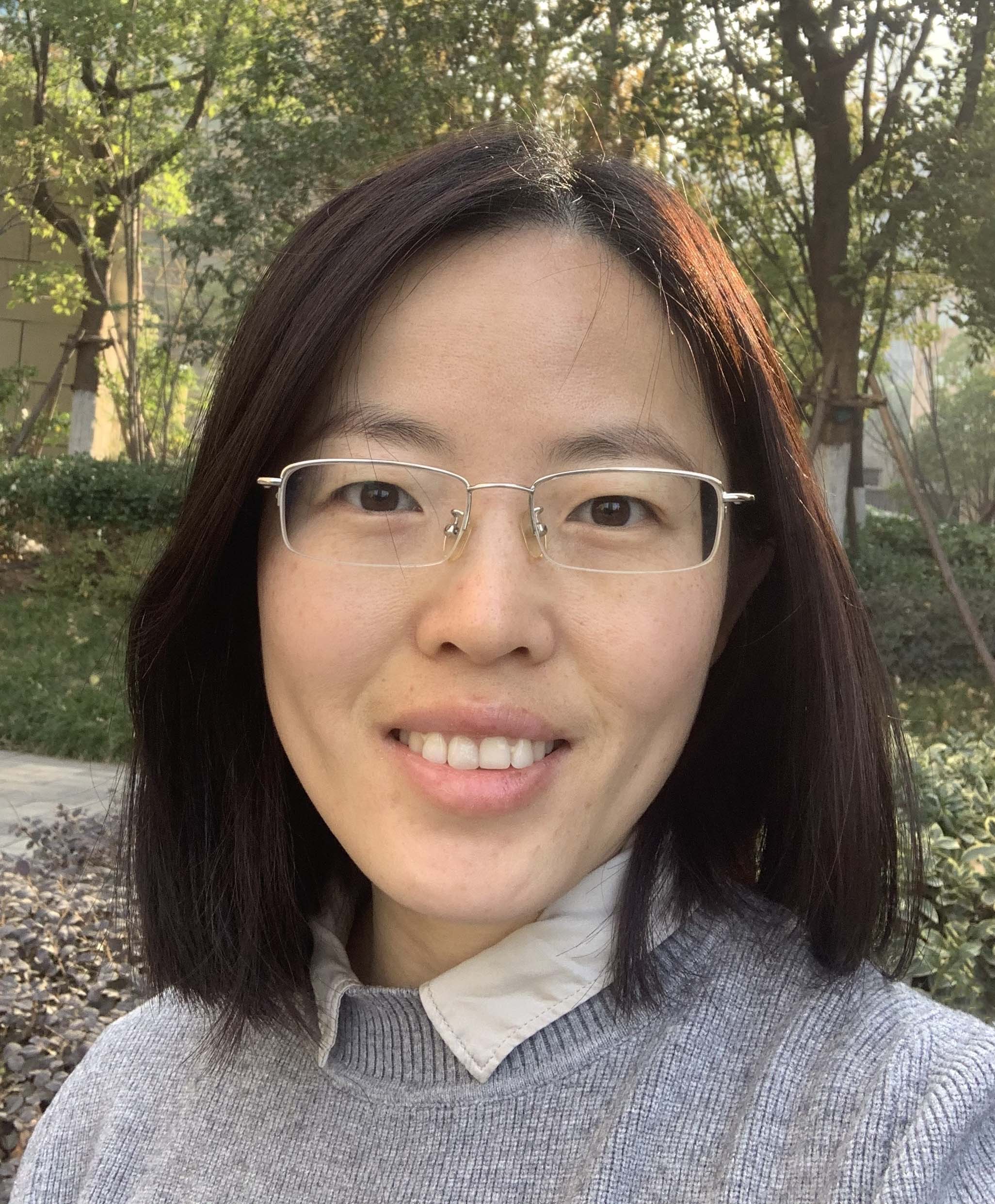
Man is an ecologist studying the mechanisms underlying plant community stability and responses to global change. Her research focuses on how species interactions, environmental gradients, and disturbance regimes jointly shape community dynamics and ecosystem resilience. She is particularly interested in processes such as plant–soil feedbacks, herbivory, and the role of foundation species in mediating community assembly and disassembly under stress. Her work integrates field experiments with theoretical models to develop generalizable, mechanism-based understanding of plant community response.
Linjing Ren
State Key Laboratory of Estuarine and Coastal Research, East China Normal University, China
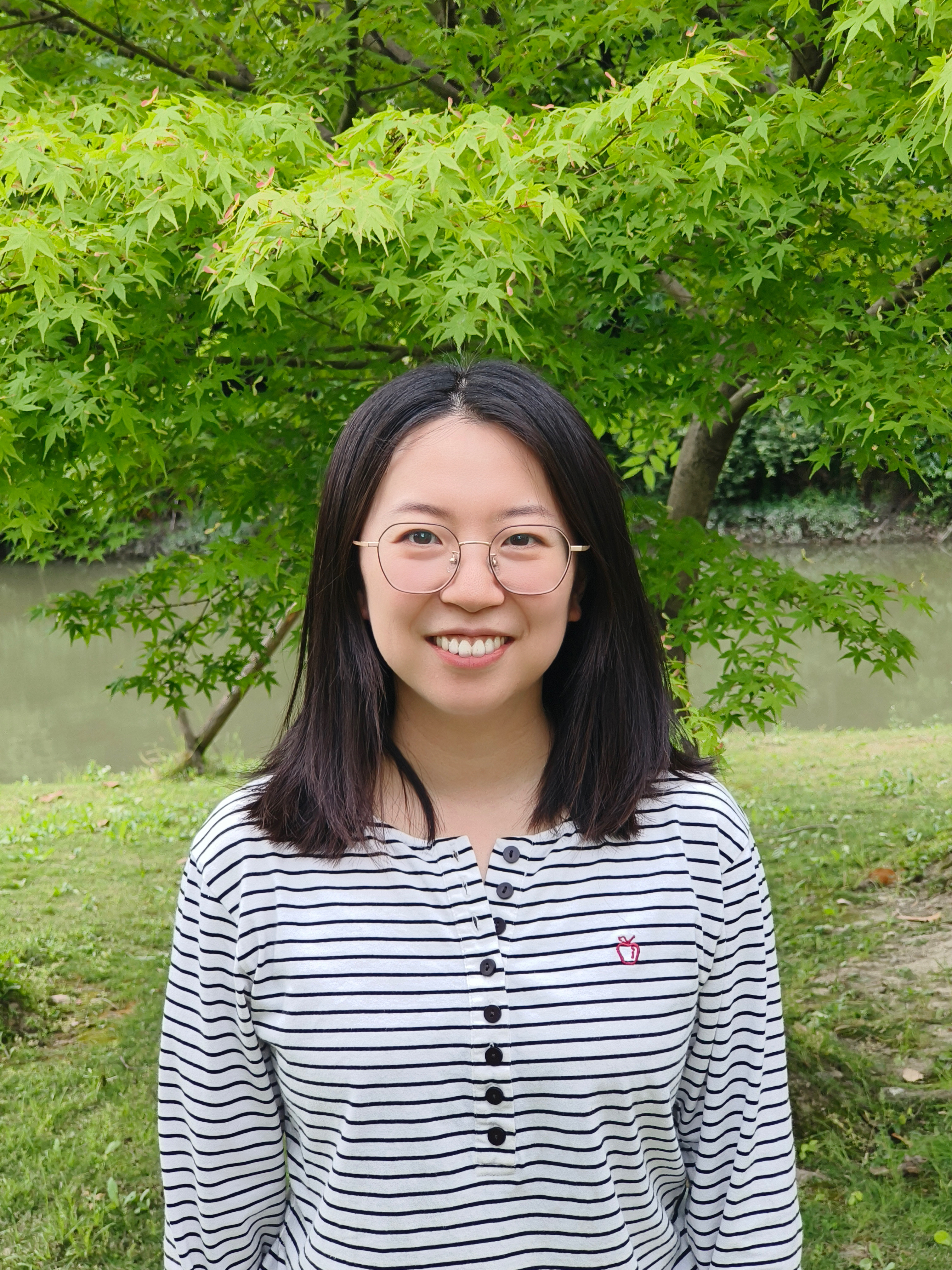
Linjing is a coastal wetland ecologist with broad interests in plant functional traits, plant–microbe interactions, blue carbon cycling and ecosystem multifunctionality. Her research explores how wetland plant adaptation and rhizosphere processes mediate carbon and nitrogen cycling, greenhouse gas exchange and multifunctional responses of coastal wetlands to global change.
Daniel Revillini
NEIKER, Spain
Daniel carries out research in Soil Ecology, Sustainability & Global Change. He received his PhD from Northern Arizona University in 2018, and has expertise in mutualisms, -omics, bioinformatics and modeling. Currently, he is a Postdoctoral Researcher at Neiker exploring soil microbial roles in sustainable viticulture in the Basque Country. Previously, he was a postdoc at the Uni of Cadiz (Spain) investigating microbial inoculants in viticulture, and an MSCA Postdoctoral Fellow at IRNAS-CSIC (Spain) experimentally studying inoculants and grapevine microbiome functional changes under drought.
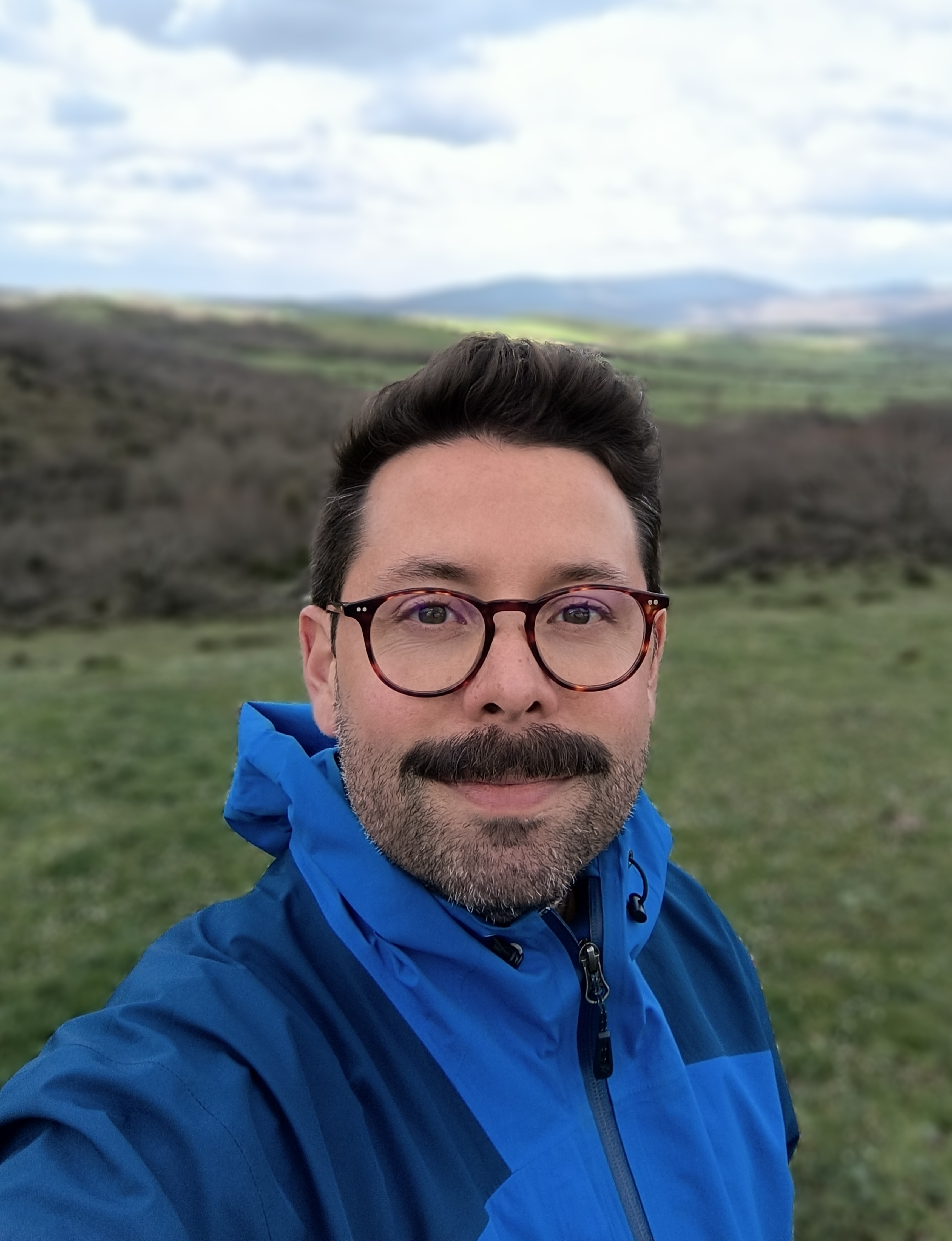
Luca Rindi
University of Pisa, Italy
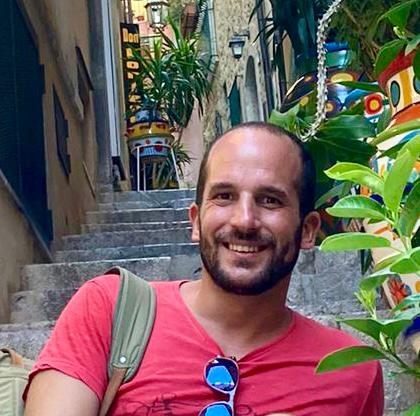
Luca Rindi is a marine ecologist studying how biodiversity loss, climate extremes and disturbance regimes shape the stability of coastal ecosystems, with a particular focus on marine forests and microbial biofilms. His research combines field experiments, statistical analyses and mathematical modelling to investigate regime shifts, early-warning indicators of collapse, spatial and temporal variability in ecological processes, and microbiome-mediated resilience.
Federico Riva
Carleton University, Canada
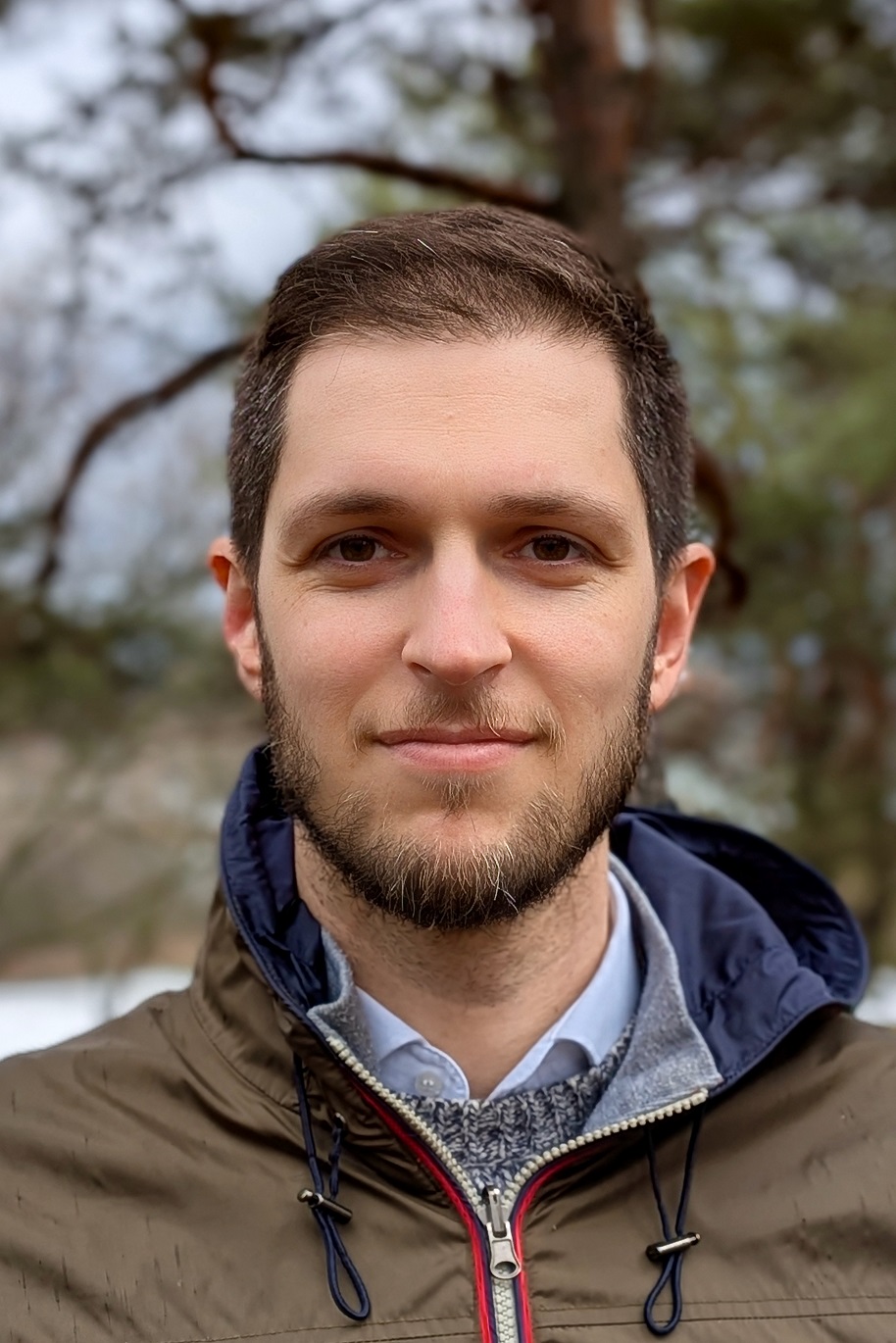
Federico’s research is designed to better understand biodiversity change across spatial scales. His work integrates ideas from conservation science, biogeography, macroecology, and complex system science with a strong foundation of landscape ecology. He is developing theory to better understand how plant and butterfly biodiversity can be sustained in the face of anthropogenic global changes.
Ferran Romero
Aarhus University, Denmark & University of Zurich, Switzerland, Switzerland
Ferran is a soil and freshwater microbial ecologist with a multidisciplinary background in soil biodiversity, rhizosphere ecology, plant-soil interactions, and ecosystem functioning. His research explores how anthropogenic stressors affect microbial communities and ecosystem processes across terrestrial and freshwater ecosystems. By combining experiments, large-scale surveys, and molecular approaches, his work aims to understand how the soil microbiome can be leveraged to improve soil health and the sustainability of food systems.
Laura Stefan
Agroscope, Switzerland
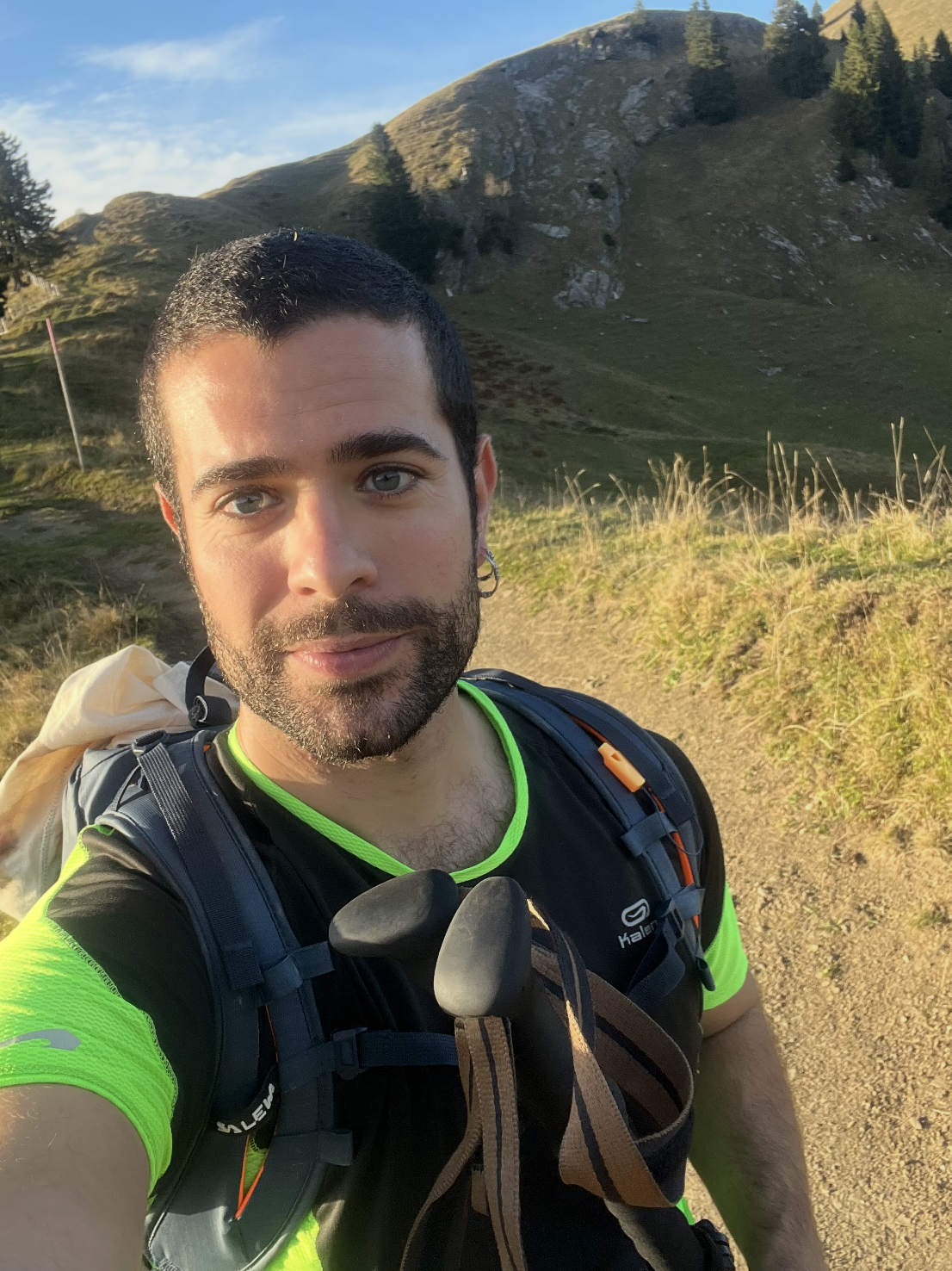
Laura’s interests focus on plant-plant interactions and biodiversity-ecosystem functioning relationships in agroecosystems. She studies how species and cultivar diversity can enhance ecosystem services and improve the sustainability of food production systems. The core of her research lies in understanding the functional, genetic, and environmental drivers of biodiversity effects in agricultural systems. She also looks at links between plant-plant interactions, soil microbiome composition, and plant disease dynamics in agroecosystems.
Shri Kant Tripathi
Mizoram University, India
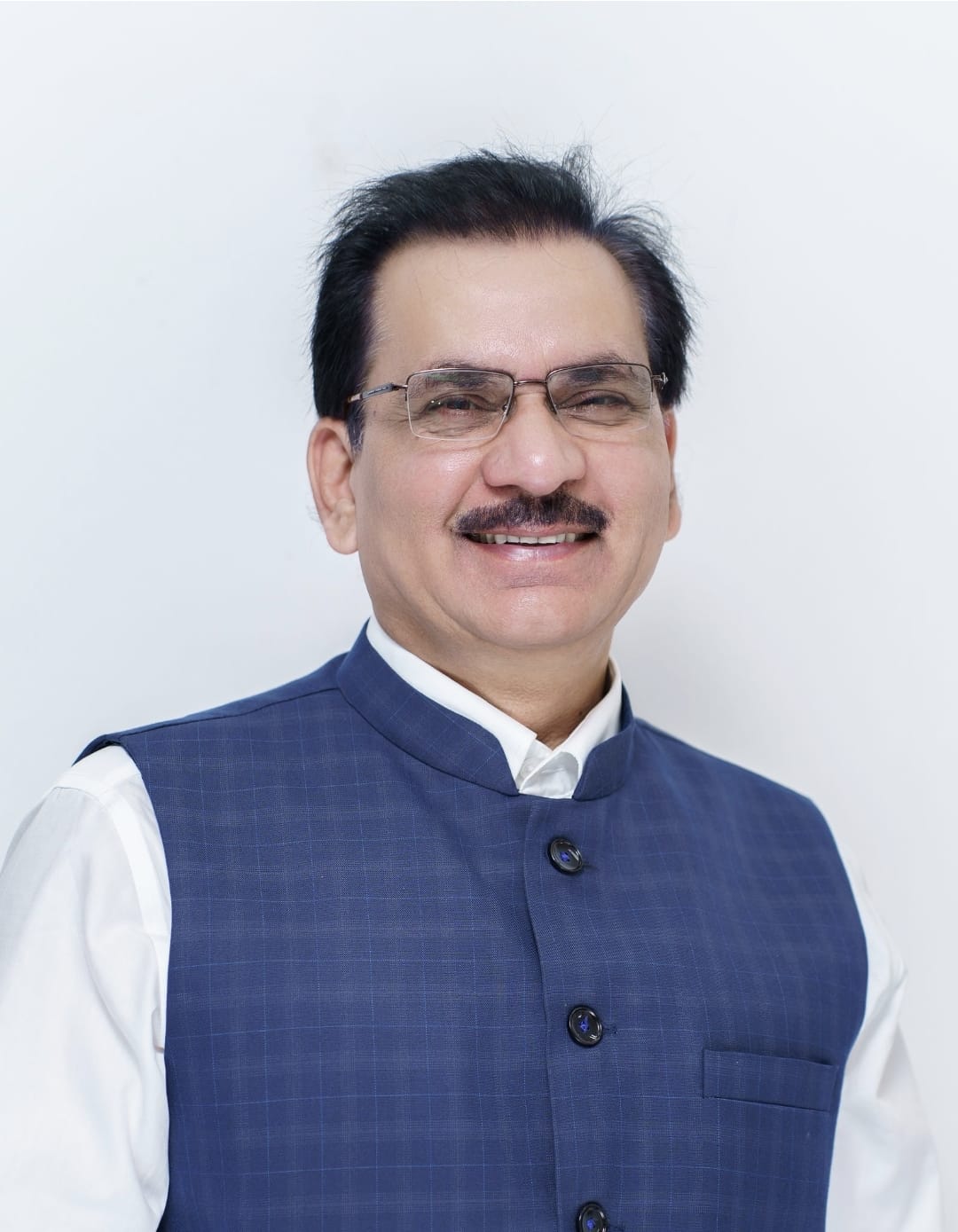
Prof. Shri Kant Tripathi is an ecosystem ecologist with research interests in forest ecology, biogeochemistry, and global environmental change. His work focuses on nutrient cycling, soil–plant interactions, and ecosystem responses to climate variability and anthropogenic disturbances. He integrates field experiments with ecological theory to understand biodiversity patterns, carbon dynamics, and ecosystem resilience, particularly in tropical and subtropical forest systems.
Judith Trunschke
University of Iceland, Iceland
Judith Trunschke is a plant evolutionary ecologist. Her work focuses mostly on the quantification of natural selection and functional adaptation in the context of plant–pollinator interactions. Using orchids as study systems, she investigates how environmental variation and pollinator communities shape floral traits and contribute to adaptive population divergence. Further, she studies the pollination ecology, mating systems and floral adaptations in alpine and sub-arctic flowering communities with a particular interest in how climate change influences plant–pollinator interactions.
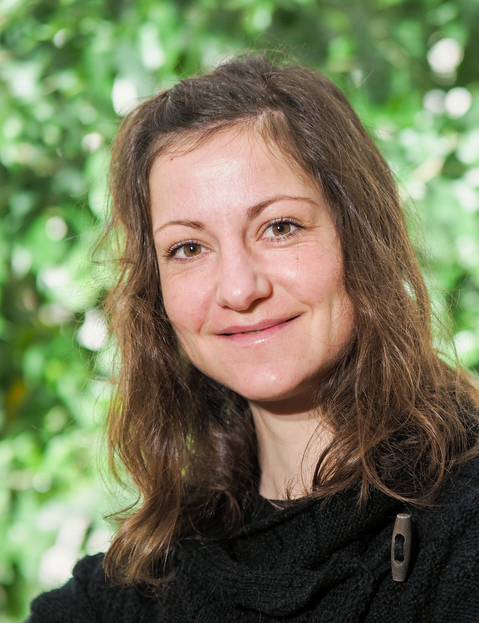
Alicia Valdés
University of Oviedo, Spain
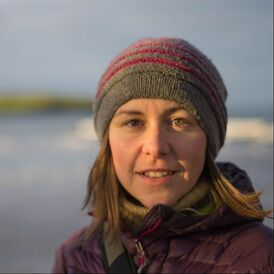
Alicia Valdés is an ecologist interested in how environmental change influences biodiversity and ecosystem functioning across scales, with a particular interest in plant phenology, a key trait for predicting responses to climate and land use changes. Scaling up from individuals to ecosystems, she integrates field observations, long-term and large-scale datasets, and remote sensing to monitor seasonal dynamics and assess environmental impacts, aiming to improve ecosystem monitoring and to support conservation and management.
Mark Vellend
Université de Sherbrooke, Canada
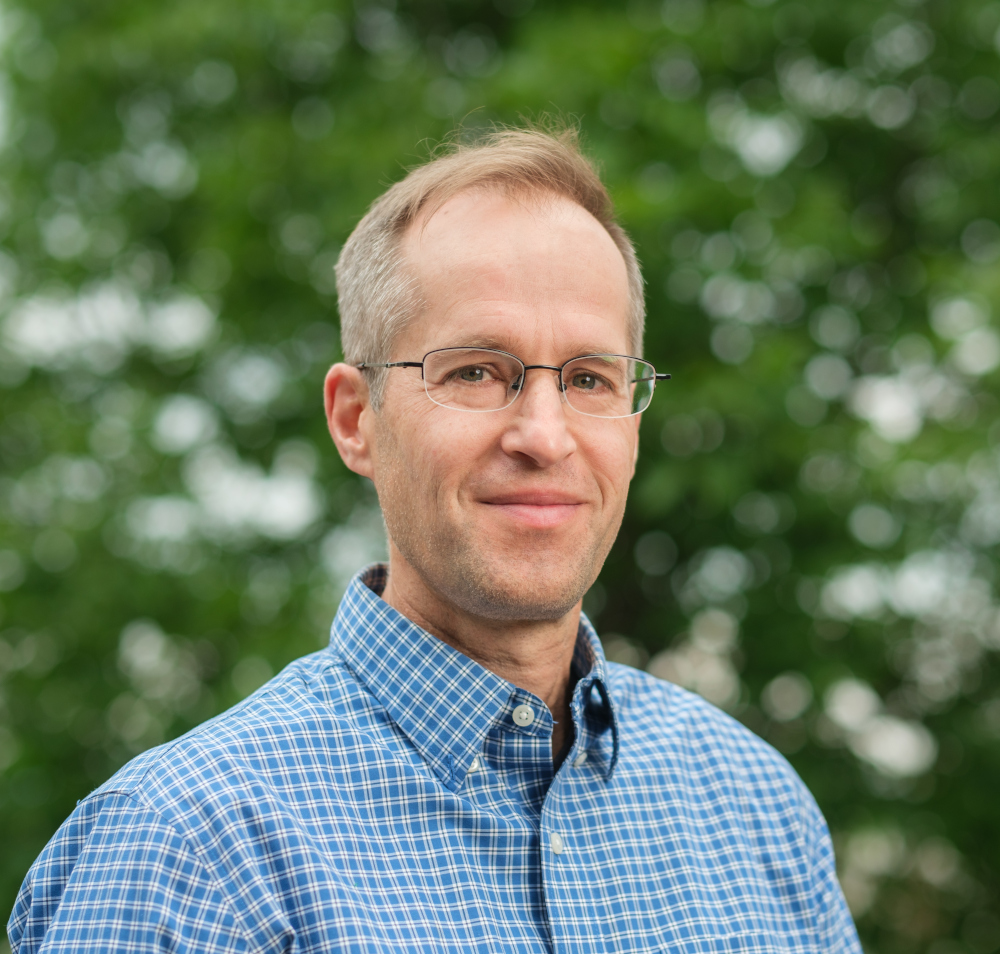
Mark Vellend is a plant ecologist who studies ecological and evolutionary responses of plants to environmental change. Specific topics include phenology, geographic range limits, biodiversity assessment, plant-animal interactions, and historical ecology, approached with experimental, observational, and theoretical methods. He has also made contributions to general theory in community ecology.
Chao Wang
Chinese Academy of Forestry, China
Chao is an ecosystem ecologist who studies the responses and feedback of biodiversity–ecosystem function relationships to global change in grasslands. His current research focuses on four areas: (1) linking elemental composition and functional traits to ecosystem processes; (2) grassland stability in response to climate change; (3) species coexistence under global change; and (4) the regulation of diversity–ecosystem function relationships by global change. Keywords: elemental composition, plant traits, biodiversity–ecosystem function relationship, community stability, global change

Xugao Wang
Institute of Applied Ecology, Chinese Academy of Sciences, China
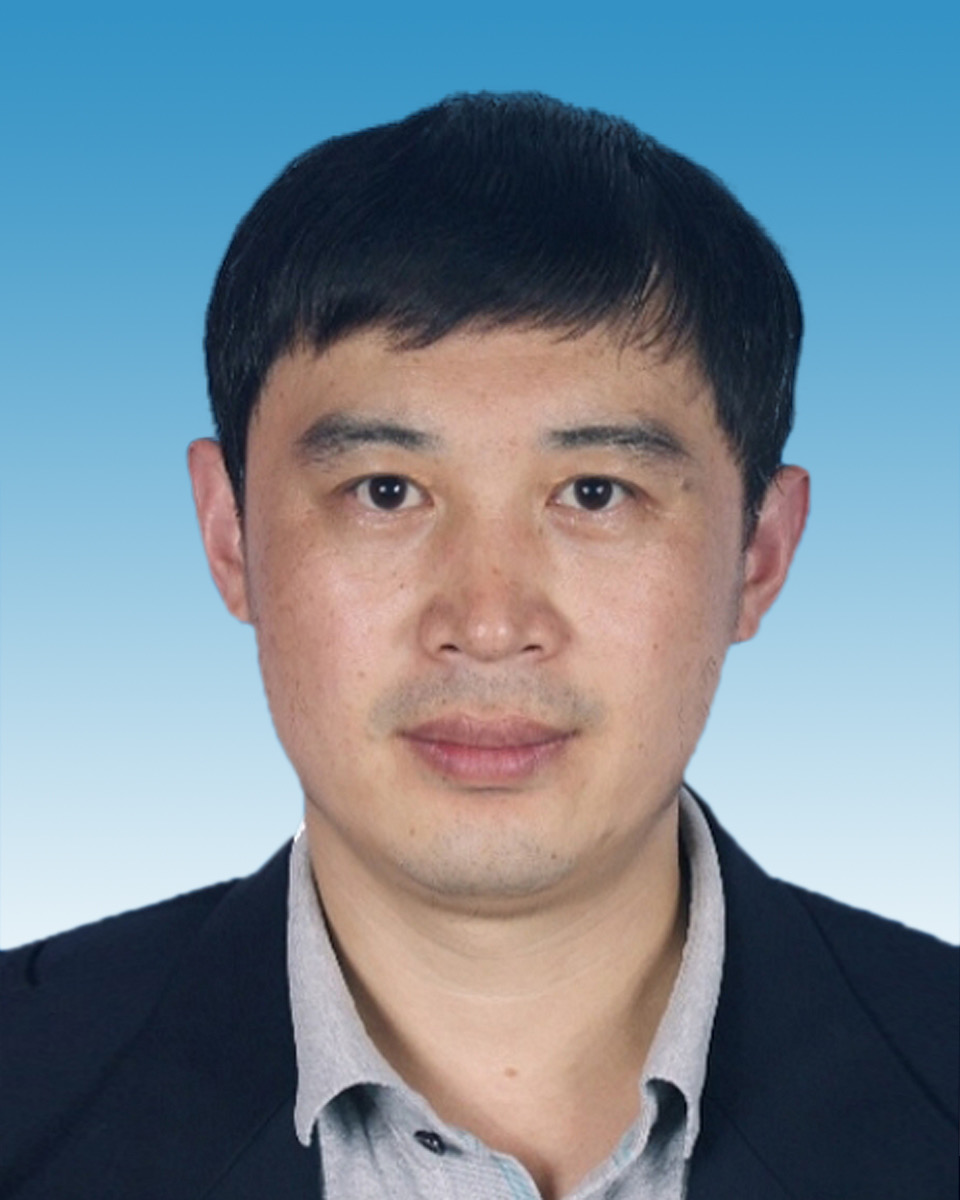
Xugao is interested in the causes and consequences of biodiversity in forests. Xugao’s research focuses on the ecological processes that maintain and shape biodiversity, including species interactions, environmental filtering and dispersal limitation. Xugao is particularly interested in how multi-trophic biodiversity influences forest ecosystem functioning and stability.
Yunyun Wang
School of Life Science and Technology, Northwestern Polytechnical University, China
Dr. Yunyun Wang is an Associate Professor at the School of Life Science and Technology, Northwestern Polytechnical University. Her research integrates macroecology, comparative phylogenetics, and process-based models to advance our understanding of plant reproductive system evolution and its ecological consequences under global change. Her work has been published in leading journals including Science Advances, Ecology Letters, New Phytologist, and Global Ecology and Biogeography. She currently serves as an Associate Editor for Journal of Ecology.
Andrea Westerband
University of Louisiana at Lafayette, US
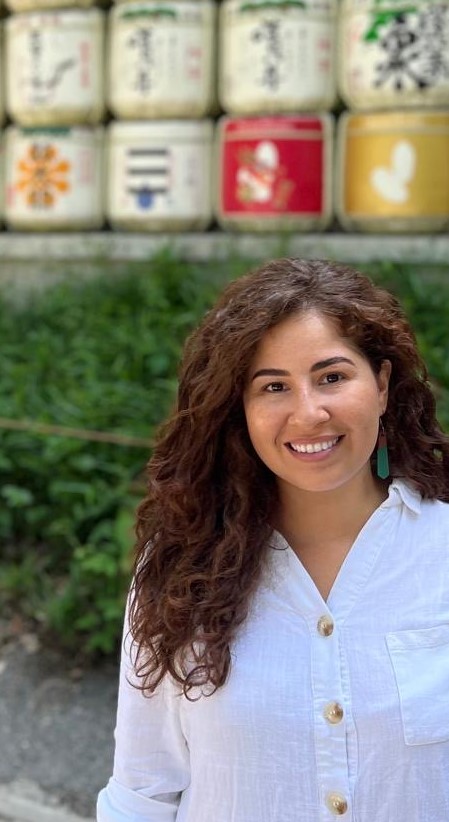
Andrea’s research focus is at the intersection of plant ecology, physiology, and population biology. She investigates mechanisms of plant acclimatoin and adaptation to resource limitation, with the goal of characterizing intra- and interspecific diversity in plant ecological strategies. By combining large-scale field campaigns and greenhouse studies, she investigates internal and external controls of phenotypic variation in ecophysiological traits, and explores the consequences if this variation for species interactions and population dynamics.
Rutger Wilschut
University of Konstanz, Germany
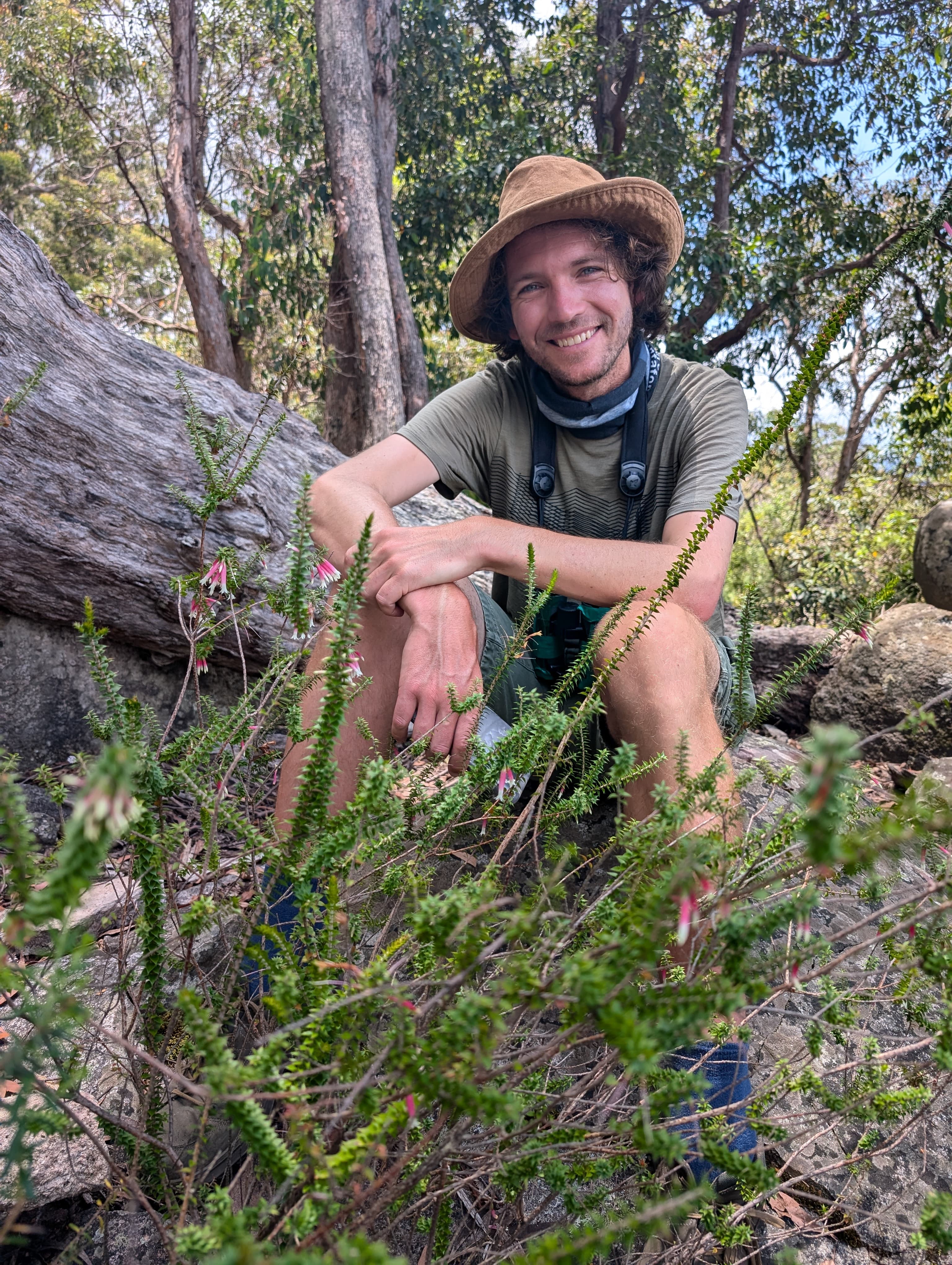
Rutger is an ecologist broadly interested in the interactions between plants and soil biotic communities. In particular, his work is focused on understanding the drivers of plant-soil feedbacks from a plant-trait, plant-community and soil-biotic perspective. Moreover, he is interested in how soil biota shape plant responses to global change drivers and how plants interact with soil biota outside of their native range.
Yannick Woudstra
Stockholm University, Sweden
Yannick investigates the evolutionary and ecological consequences of asexual reproduction in plants. He combines field studies, common garden experiments, genomics (including population genomics and phylogenomics) and taxonomy to understand how asexual lineages form, spread and interact with their environment. The evolutionary degeneration of sexual traits is an important aspect of his research, with a particular focus on pollen. He also has expertise in urban ecology, studying the adaptation of plants to anthropogenic urban pressures such as heat, disturbance and habitat degradation.
Nianxun Xi
Hainan University, China

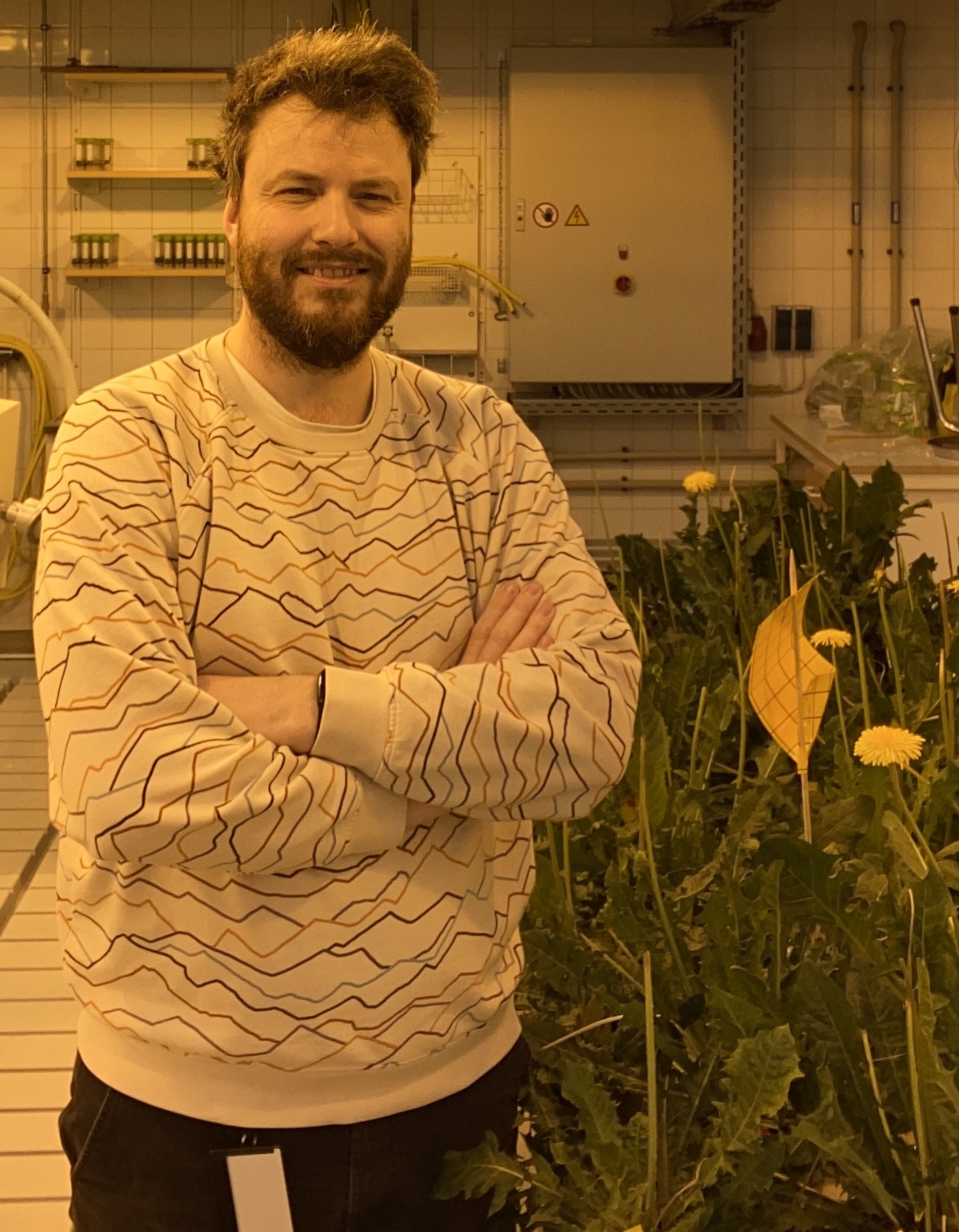
Nianxun is a community ecologist, and his research lies at the interface of community ecology, biodiversity–ecosystem functioning and global change. He combines field experiments, mesocosm/microcosm approaches and ecological modelling to understand how key soil microbial groups (e.g., pathogens, mycorrhizal fungi) interact with plants in forests and grasslands to generate plant-soil feedbacks, and how these interactions influence biodiversity and ecosystem functioning under global change. His work also addresses the roles of plant-soil feedbacks in plant invasion and ecosystem restoration.
Zoe Xirocostas
University of Technology, Sydney, Australia
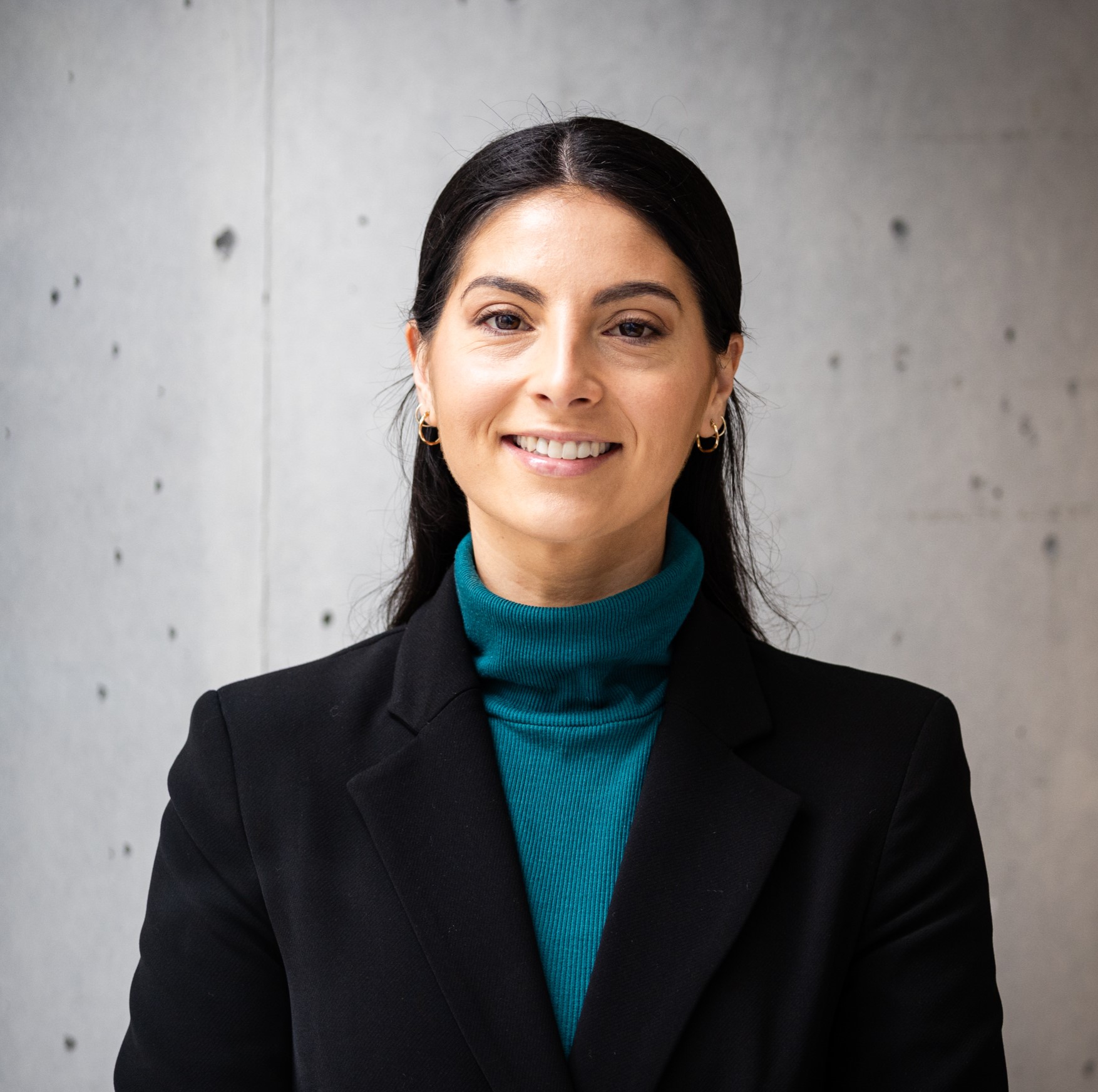
Zoe’s research focuses on how plants and their ecological interactions (including with herbivores and pollinators) respond to global change drivers such as climate change, biological invasion, and urbanisation. She integrates field, glasshouse, and computational approaches across multiple scales and systems to address her questions.
Zhenwei Xu
Peking University, China
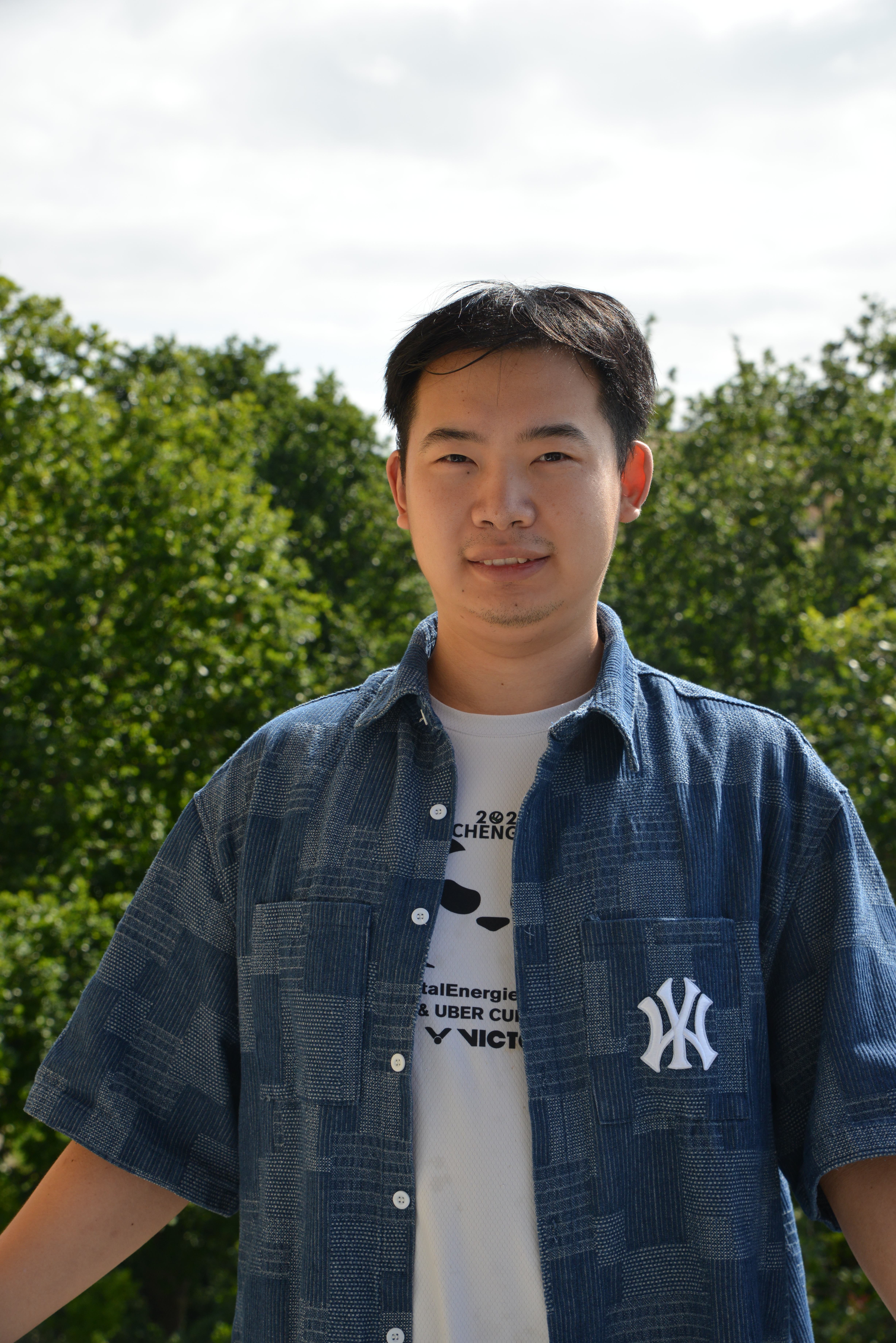
Zhenwei’s research focuses on community ecology and invasion ecology. He has a particular interest in plant–microbe interactions, and the relationships between biodiversity and multiple ecosystem functions under global climate change and biological invasion. He combines field and greenhouse experiments, molecular analyses, and ecological modelling to investigate how soil microbial communities mediate plant competition, invasion dynamics, and ecosystem responses.
Zhengbing Yan
Key Laboratory of Vegetation and Environmental Change, Institute of Botany, Chinese Academy of Sciences, China

Zhengbing is a broadly trained ecology scientist studying eco-physiological processes of plant-environment interactions from leaf to global scales. Zhengbing’s current and future research is focused on novel multi-scale remote sensing techniques (e.g. vegetation spectroscopy, Lidar, thermal remote sensing) for plant trait monitoring, ecological mechanisms of plant trait dynamics, and statistical and ecological models of plant trait impacts on important ecosystem functions and processes.
Lu Zhai
Oklahoma State University, USA
Dr. Zhai’s research focuses on plant dynamics under climate change and disturbance. His work integrates mathematical and statistical modeling, remote sensing, and plant ecophysiology to understand how structural, physiological, and biochemical traits influence plant growth, distribution, and ecosystem processes across spatial scales.
Zhijie Zhang
Peking University, China
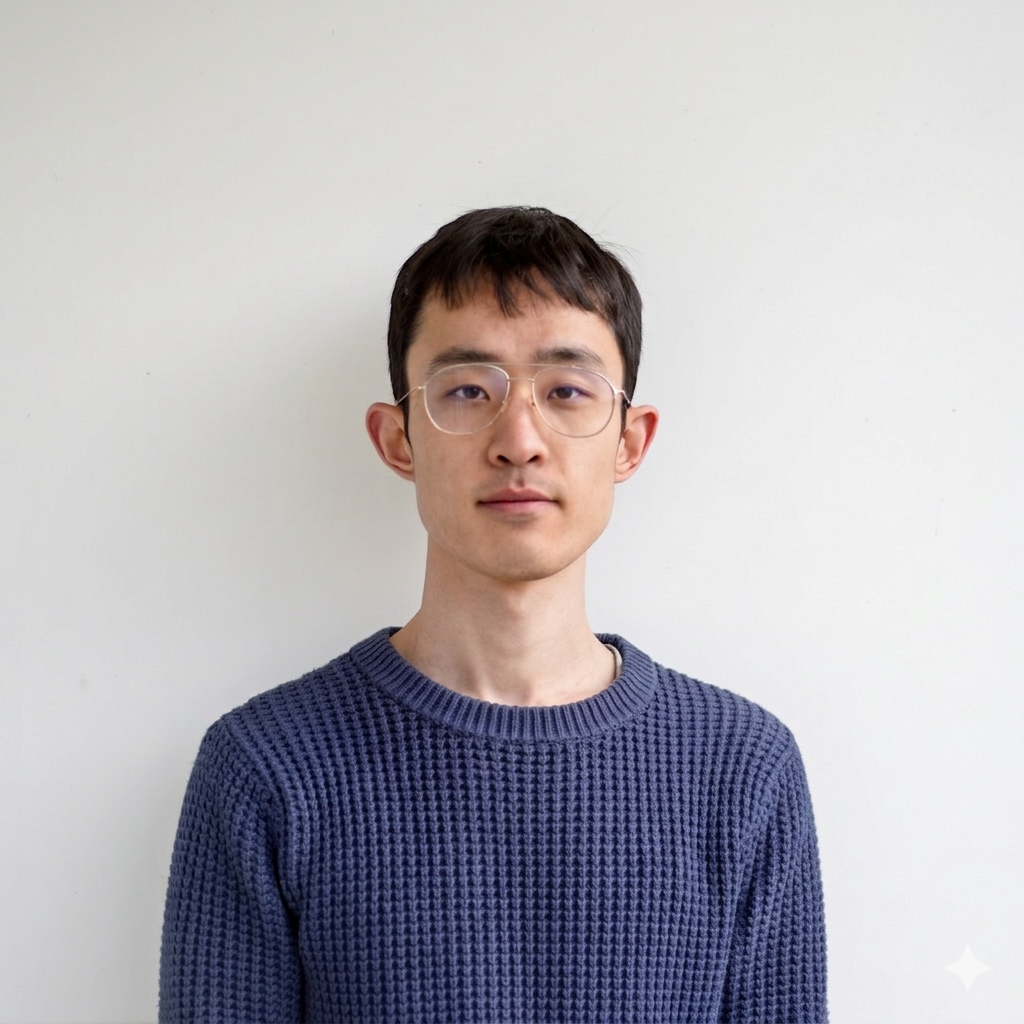
Zhijie is a community ecologist who works at the intersection of ecology and evolution. By integrating theoretical models with empirical data, he explores the dynamic feedbacks between ecological context and evolutionary change to predict biodiversity patterns in a changing world.
Zhigang Zhao
Lanzhou University, China
Zhigang is an ecologist whose research integrates pollination ecology, population ecology and community ecology. His work focuses on plant–pollinator interactions, with particular emphasis on their consequences for plant reproductive success and phenotypic selection. He adopts a multi-trophic perspective to investigate how biotic interactions contribute to the maintenance of species diversity under global change. He is also interested in how global change affects ecological networks (e.g. pollination networks) and ecosystem functions.
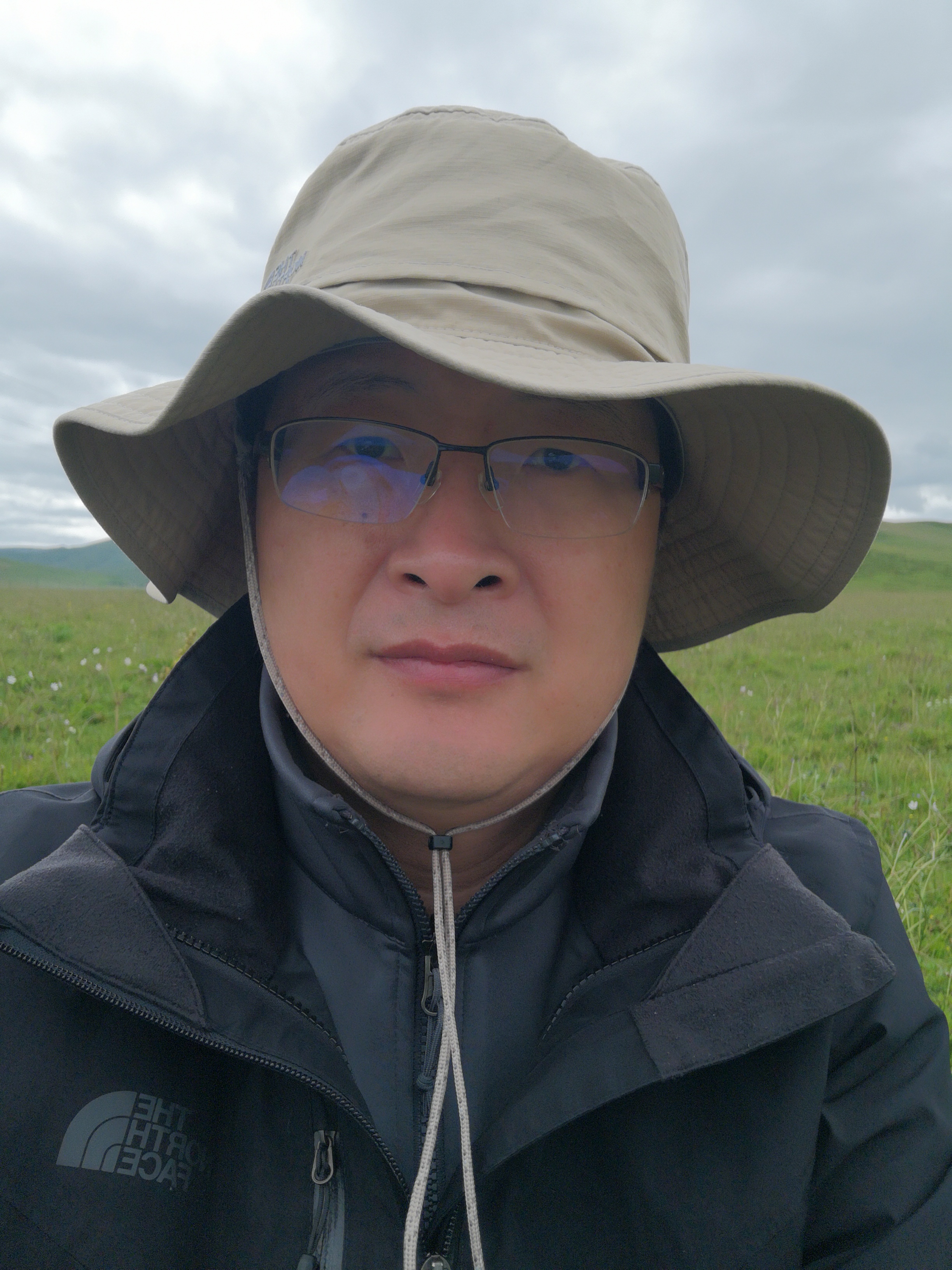
Meng Zhou
Institute of Botany, The Chinese Academy of Sciences, China
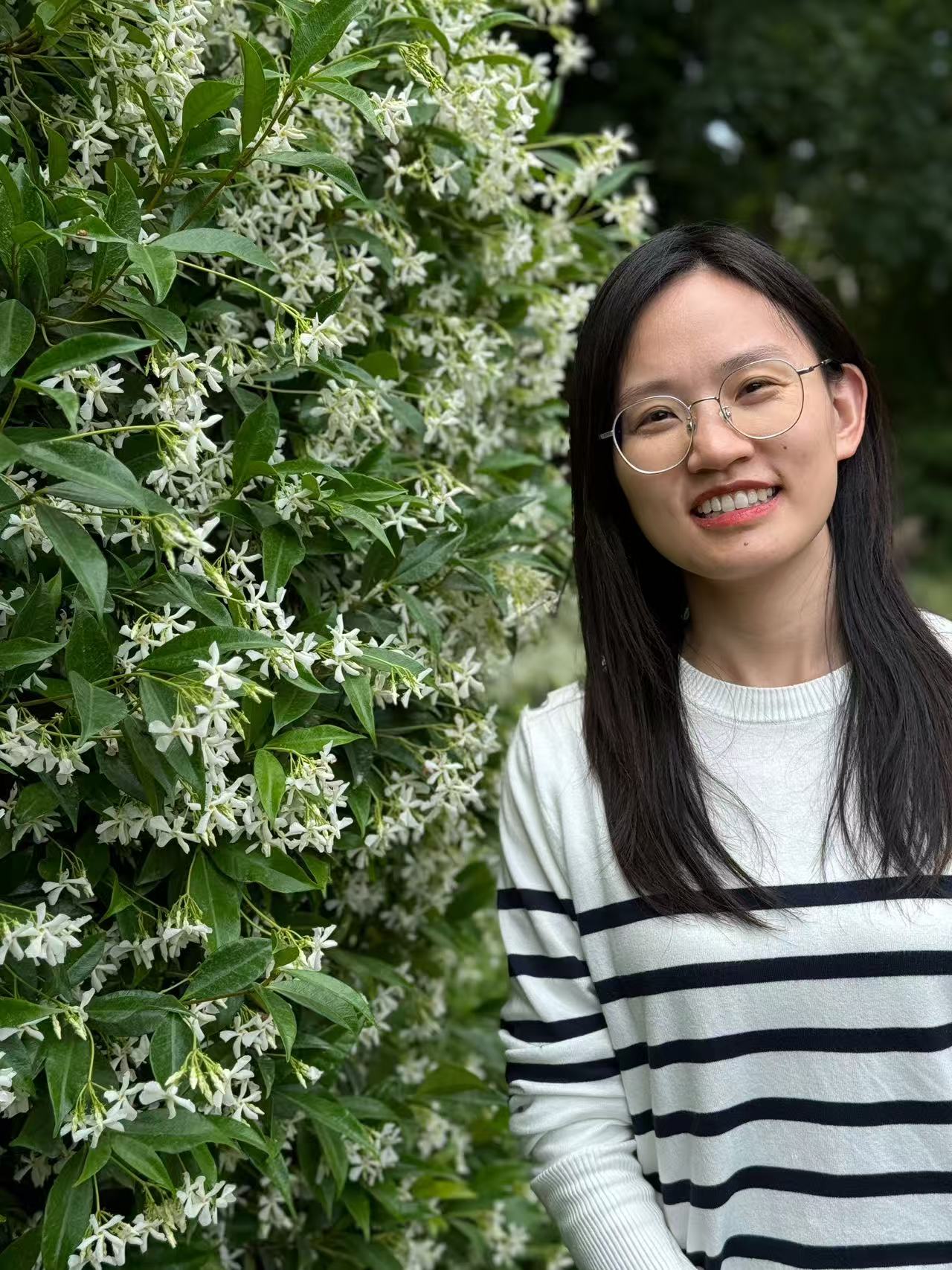
Meng is a root ecologist working on plant belowground strategies in temperate grasslands. Her research focuses on root trait variation in herbaceous species at both inter- and intraspecific levels and how this variation mediates plant responses to environmental change. She is particularly interested in root anatomical traits and their roles in shaping root functions and root-soil microbial interactions, as well as their implications for plant nutrient-use strategies and ecosystem functioning.


