Harper Prize Shortlist 2019: Katie Baer

In this post author Katie Baer, offers an insight into her paper Declining demographic performance and dispersal limitation influence the geographic distribution of the perennial forb Astragalus utahensis (Fabaceae), which was shortlisted for the 2019 Harper Prize.  Katie also discusses her wider research and ecological career. You can see a full list of all shortlisted papers in the Harper…

Volume 108 Issue 4

Volume 108 Issue 4 of Journal of Ecology is now available online! Our latest issue features a variety of fascinating articles, including research on the rapid evolution of a legume–rhizobium mutualism in restored prairies, evidence that changing precipitation patterns adversely affect floral resources and pollinator attraction in agricultural grasslands and insights into the seasonal succession of functional traits in…

Fire as a fundamental ecological process

“Fire as a fundamental ecological process: Research advances and frontiers” by McLauchlan et al. is the newest essay review to be published in Journal of Ecology. In this blog post, authors S. Yoshi Maezumi, Jessica R. Miesel, Philip E. Higuera and Leda Kobziar summarise the recent advances and frontiers in fire ecology research, within the…

Can we use remote sensing technology as a practical short-cut to explore trait-mediated ecosystem functioning impacts?

Author Kenny Helsen discusses recently published Journal of Ecology article: Optical traits perform equally well as directly‐measured functional traits in explaining the impact of an invasive plant on litter decomposition by Helsen et al. Discover whether the optical traits of an invasive plant species can be used to explain their ecosystem impacts. Is the data…

Cover Stories: Volume 108 Issue 3

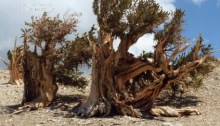
The cover image for our new issue shows an ancient bristlecone pine in the White Mountains of California. Author and photographer, Connie Millar shares her insight into this unique landscape, her stunning cover image and her related research paper “Symbiotic interactions above treeline of long‐lived pines: Mycorrhizal advantage of limber pine (Pinus flexilis) over Great…

Editor’s Choice: Volume 108 Issue 3

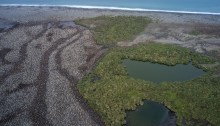
The Editor’s Choice article for Journal of Ecology’s latest issue Volume 108 Issue 3 is “Seagrass ecosystem metabolic carbon capture in response to green turtle grazing across Caribbean meadows” by Johnson et al. Associate Editor Randall Hughes explores this paper in more detail and explains what makes this paper so novel and valuable. Vegetated marine ecosystems such…

Volume 108 Issue 3

Volume 108 Issue 3 of Journal of Ecology is now available online! Our latest issue features a range of articles, including research on how functional diversity improves tropical forest resilience, evidence that the masting behaviour of oak trees is changing with rising temperatures and a meta-analysis of below‐ground responses to insect herbivory in ecosystems with woody plant canopies.…

In late-successional forest communities, how much does history matter?

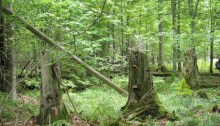
Author Kerry Woods discusses recently published Journal of Ecology article: Over 80 years without major disturbance, late‐successional Białowieża woodlands exhibit complex dynamism, with coherent compositional shifts towards true old‐growth conditions by Brzeziecki et al. Find out more about the importance of long-term data when considering old-growth forest dynamics. Thirty years ago, John Magnuson wrote of the…