Laura Matas-Granados, Autonomous University of Madrid, discusses her article: Species functional traits affect regional and local dominance across western Amazonian forests
Lowland forests in western Amazonia are among the most diverse ecosystems on Earth, harbouring hundreds of tree species living side by side. Despite this exceptional diversity, only a few tree species dominate these forests, while most remain rare. Interestingly, some dominant species are widespread, occurring at low densities across many locations (“widespread dominants”), while others reach extremely high densities but are restricted to few sites (“local dominants”). Understanding why certain species become dominant while others stay scarce is crucial for predicting how Amazonian forests will respond to global change. In this study, we combined tree census data from over 500 forest inventory plots with information on functional traits—measurable plant features such as leaf size, wood density, and seed mass—from 2600 woody plant species to explore the factors that underlie species dominance in tropical forests. We looked at four main habitat types in western Amazonia: terra firme, floodplain, swamp, and white sand forests.
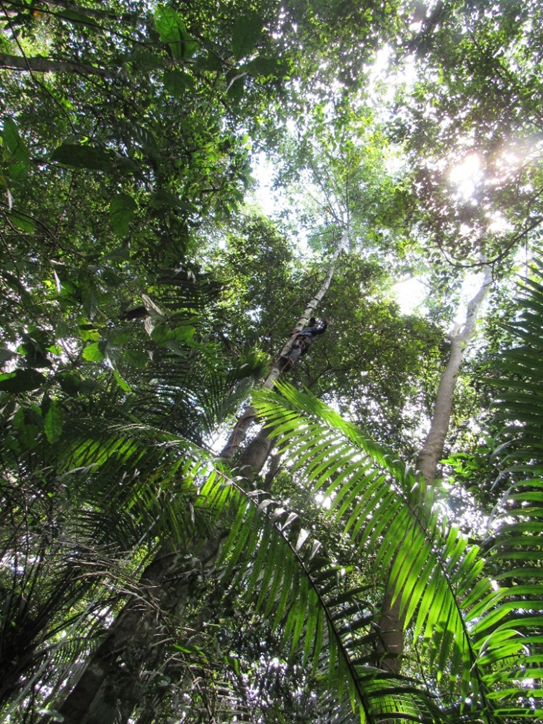
We mainly found that dominant species were associated with particular functional traits that match the environmental conditions where they grow. In habitats characterized by stressful conditions, such as permanent waterlogging (swamps) or frequent droughts (white sands), dominant species tended to have thick, low-nitrogen leaves and dense wood. These traits can be part of resource conservation strategies, allowing these species to dominate where nutrients and water are limited. In contrast, in less stressful habitats, such as terra firme and floodplain forests, dominant species were usually taller and had larger leaves, traits linked to efficient light capture in these forests that have a dense canopy. These findings demonstrate that dominant species are not dominant by chance—they possess specific features optimized to the environmental conditions of each forest type. These traits provide dominant species a functional advantage to prevail over the rest of the species in these forests.
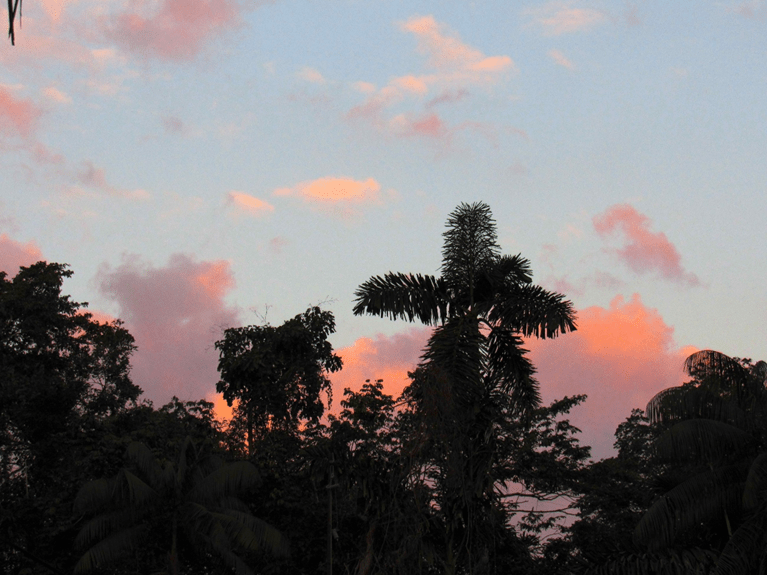
When we compared local and widespread dominants, we found differences in their strategies. Local dominants often had defensive and conservative traits—tough leaves and dense wood—that help them defend against herbivores, use water efficiently, and preserve resources. Widespread dominants, on the other hand, had thin leaves with high nitrogen content and light wood, which are related to resource acquisition strategies. These traits could help them to grow faster and colonize new sites. Widespread dominants are also taller and produce heavier seeds, which enhance their dispersal ability and establishment across many forest sites.
Overall, our study sheds light on the ecological strategies that shape species dominance in tropical forests. We highlight that studying plant functional traits helps scientists forecast how the structure and composition of Amazonian forests may change under future climate and environmental changes. We hope that such studies will ultimately aid in elaborating strategies to conserve these fascinating and complex forests.


 jecologyblog.com