Jonathan Ritson, who worked at the University of Manchester during this research, discusses his article: Cation responses to global changes alter ecological processes in ombrotrophic systems
In bogs, we often focus on the hydrology of the system; there has also been a large body of work trying to understand the global implications of acid deposition from coal burning over the 20th century. In peatland catchments, the recovery from acidification has led to the ‘brownification’ of rivers and lakes as solubility controls change and dissolved organic matter is released. What has often been overlooked, however, are the secondary effects of cation leaching caused by acid deposition.
Bogs are a very unusual system – they receive all of their mineral nutrition from rainfall; thus, they are very nutrient poor. The Sphagnum mosses that often grow on them are also highly effective at intercepting nutrients through their high cation exchange capacity and locking them up, making availability for other plants even lower. This effect has been magnified by acidification, increasing leaching of cations specifically. In effect, through anthropogenic pressure, we have made one of the world’s most cation poor habitats even more so without ever really understanding what this could mean. Now that these habitats are recovering from acid deposition, there is a need to understand how increasing cation concentrations could influence everything from vegetation assembly to carbon balance of one of the world’s largest carbon stores.
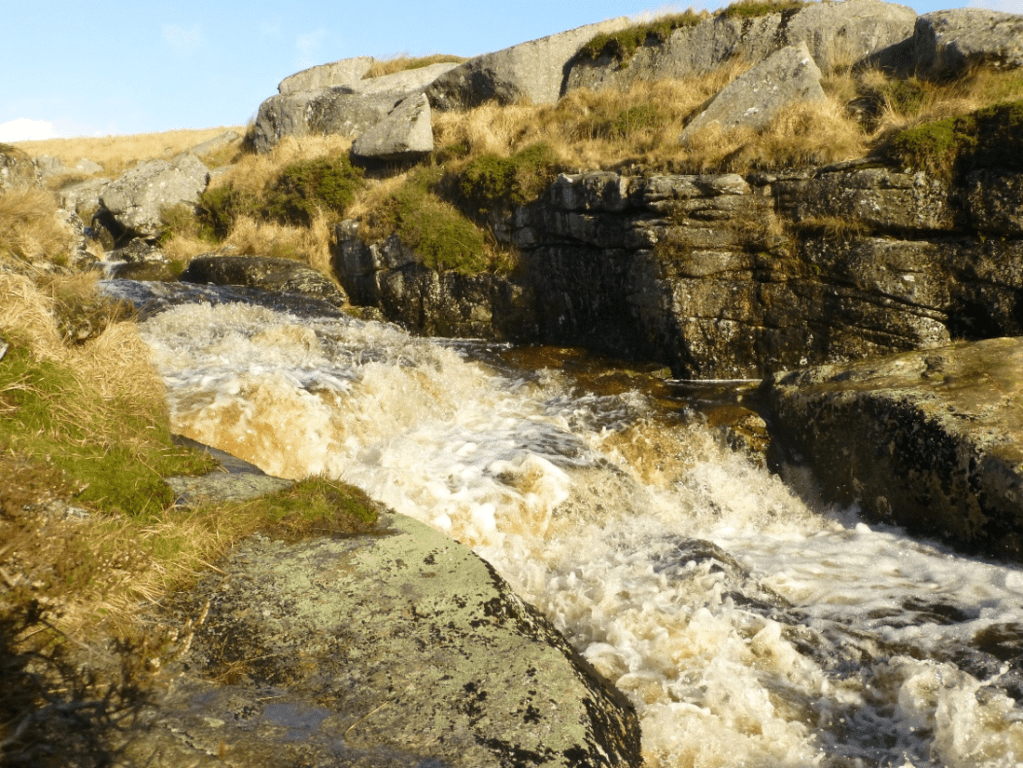
Our mini-review highlights the evidence that this recovery is occurring now – at one long-term water quality site in an acid deposition hot spot in the UK, Ca2+ and Mg2+ concentrations in the peat-draining Etherow river have halved since the 1980s as the catchment recovers and leaching from the peat decreases. This could have huge consequences for these chronically cation limited systems. We highlight evidence that Sphagnum is cation limited, meaning that higher concentrations could benefit plant fitness, but currently there is very limited evidence of how increased cation availability might scale-up from plant fitness to ecosystem level processes, such as carbon fluxes, a critical peatland ecosystem service.
Too many cations, however, and Sphagnum may start to lose out. Its competitive strategy involves locking up scarcely available cations and reinforcing the extremely nutrient poor conditions it is adapted to. This strategy breaks down when cations become available through marine deposition. Our review highlights many large-scale studies showing that across gradients of marine deposition, species diversity increases as cations become more available and specialists such as Sphagnum start to be outcompeted by vascular plants. If we see increased storminess through climate change, this could mean maritime influence through sea salt deposition into bogs further inland. While this could increase species diversity, it may be at the expense of Sphagnum, one of the keystone species for peat formation.

The role of cations, and micronutrients more generally, as ‘forgotten nutrients’ has received more attention in recent years; however, we have overlooked bogs as perhaps the system most sensitive to changes in cations. At present there are a lot of unknowns about how cations affect bogs, yet we know that the effects can be large at both the plant and community level, with influence from sea salt deposition controlling bog vegetation communities at the regional scale. We also know that humans have drastically altered these systems through acid deposition and we are currently in a period of flux as they recover. What this might mean for the future of these systems as they respond to climate and land use pressures could be a fruitful avenue for research.


